

Sold for
$12,052
(4.040 ETH)
Owned by superrarejohn



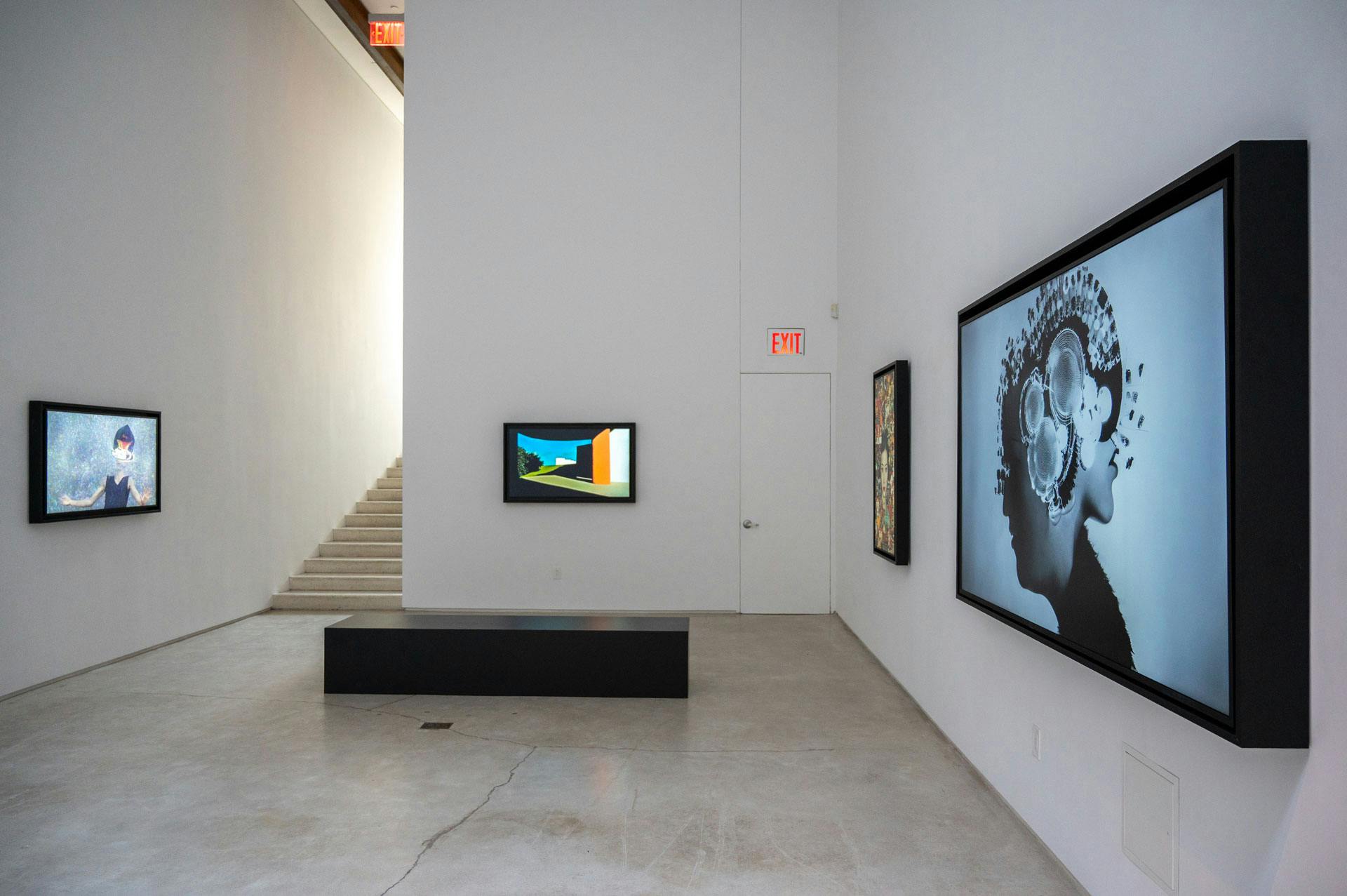
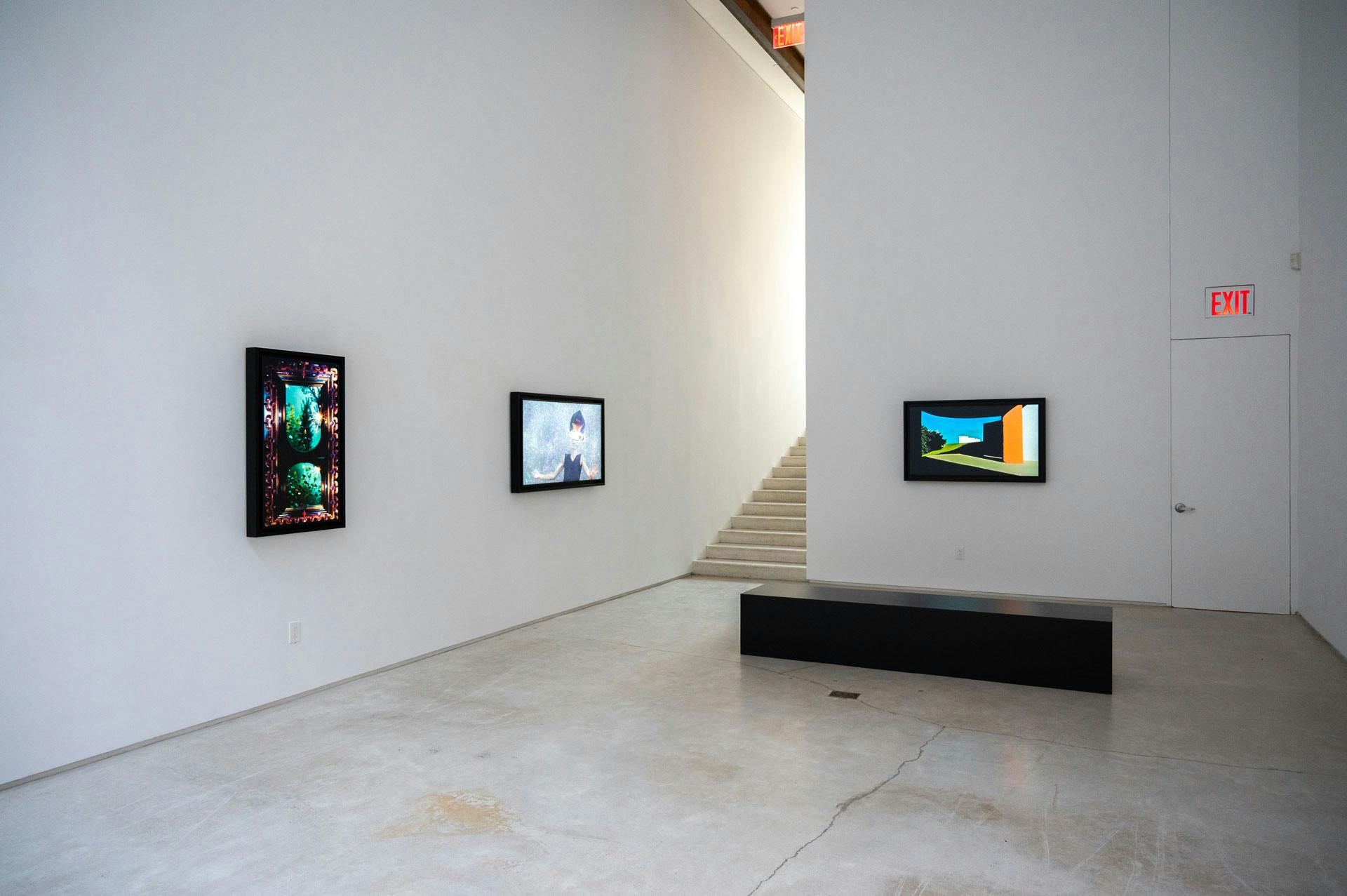
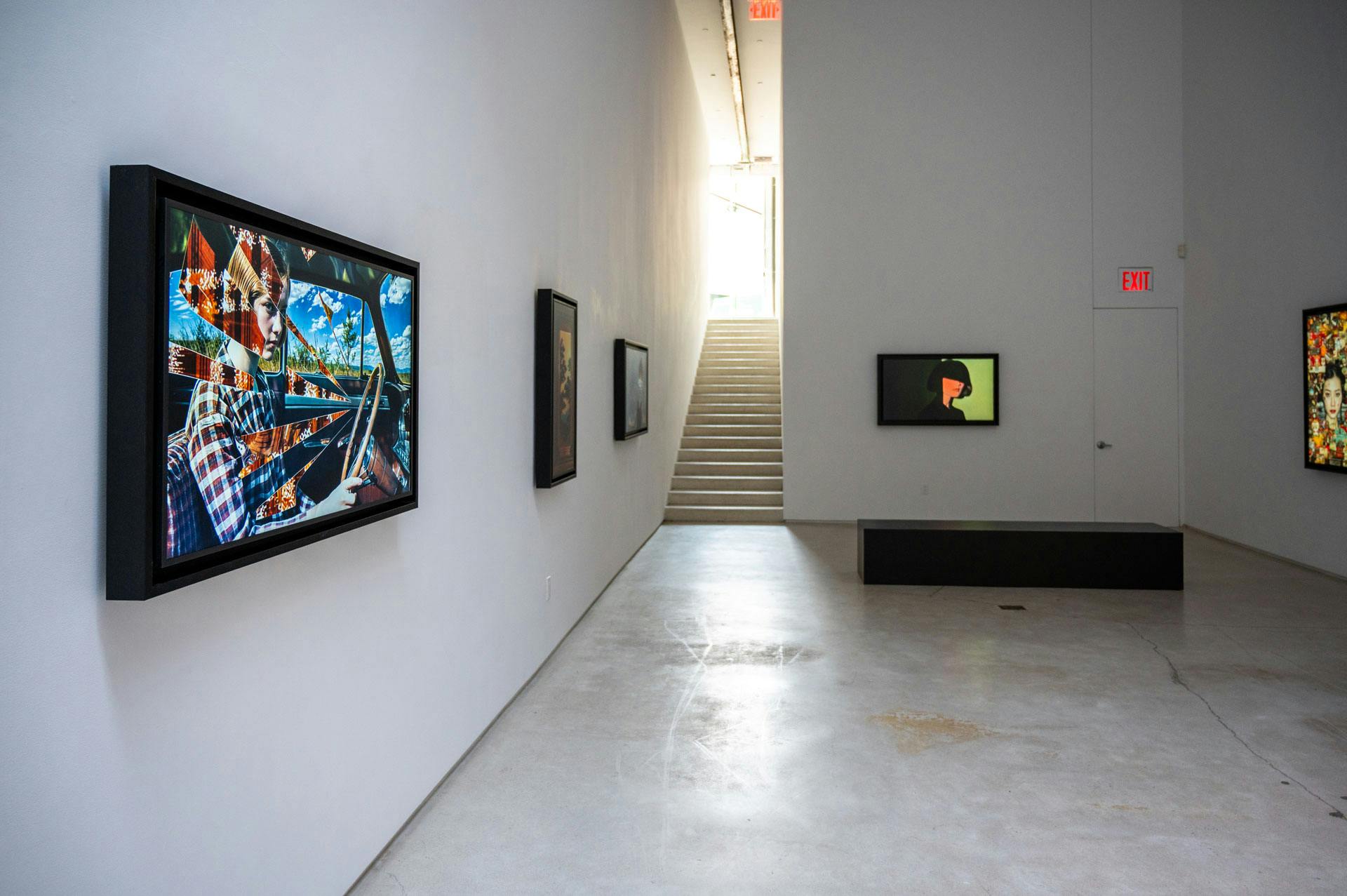
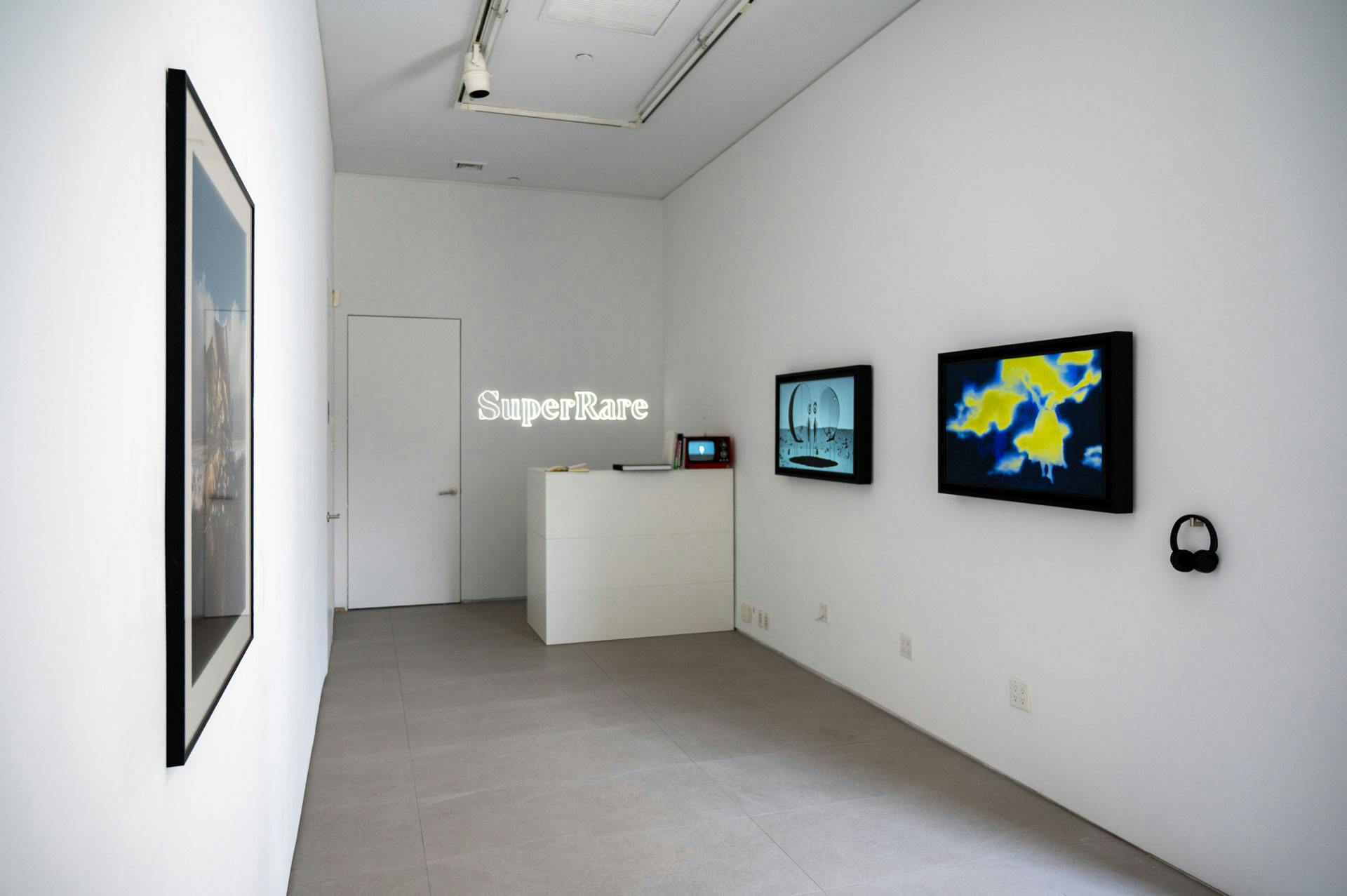
FACTORY REALITY
Post-realism in the 2020s
New technologies arrive in waves—first with hype, then with fear, and finally with normalization. It’s in the resistance that we glimpse the real shifts: the pressure points where culture, labor, and perception begin to bend.
Technology, at its core, is a tool. Paper once revolutionized memory, freeing minds from rote learning. The radio, the telephone—each sparked anxiety as much as wonder. Imagination itself was once a fragile resource, guarded against overexposure.
Tools shape how we experience time. The factory, emblem of the Industrial Revolution, transformed time from a craft measured by hand into a system that measured us. With each innovation, our understanding of time—and thus reality—morphs. Time and space are the twin pillars of reality. With each innovation, our understanding of time—and thus reality—morphs. Time and space are the twin pillars of reality. As physics reminds us, even the act of observing can alter what is being observed; reality isn’t fixed, but responsive. Whether we actively use these tools or not, they shape the world we live in—altering workflows, aesthetics, and expectations. AI isn't just a tool; it's part of the new fabric of perception.
Now, in an age of information overload, AI tools are reshaping how we learn, create, and define intelligence. Skills that once took years are now performed in seconds. The boundaries between human thought and machine logic are dissolving. We are stepping into a new reality—a post-reality—where new ways of being in the world take root.
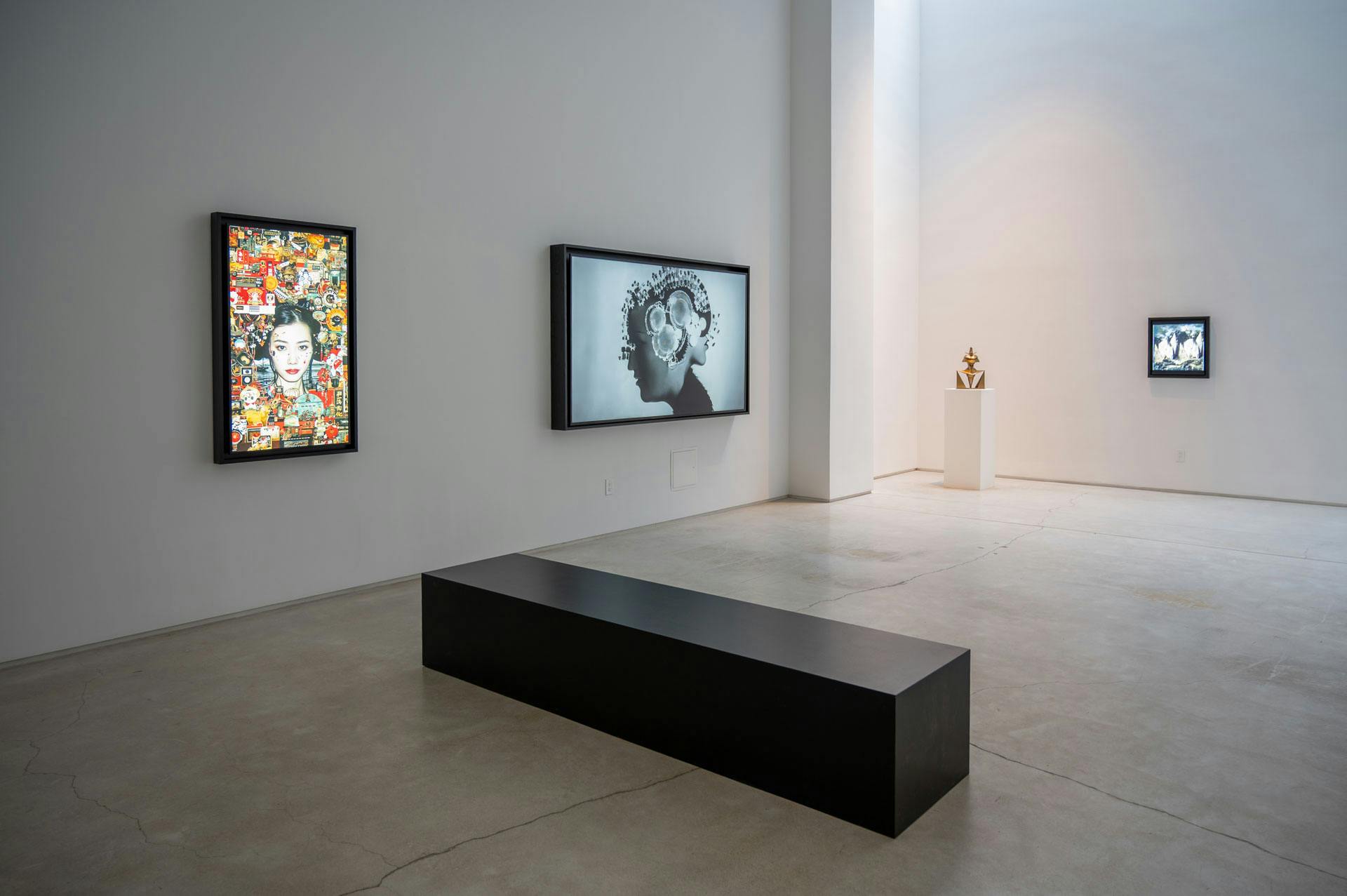
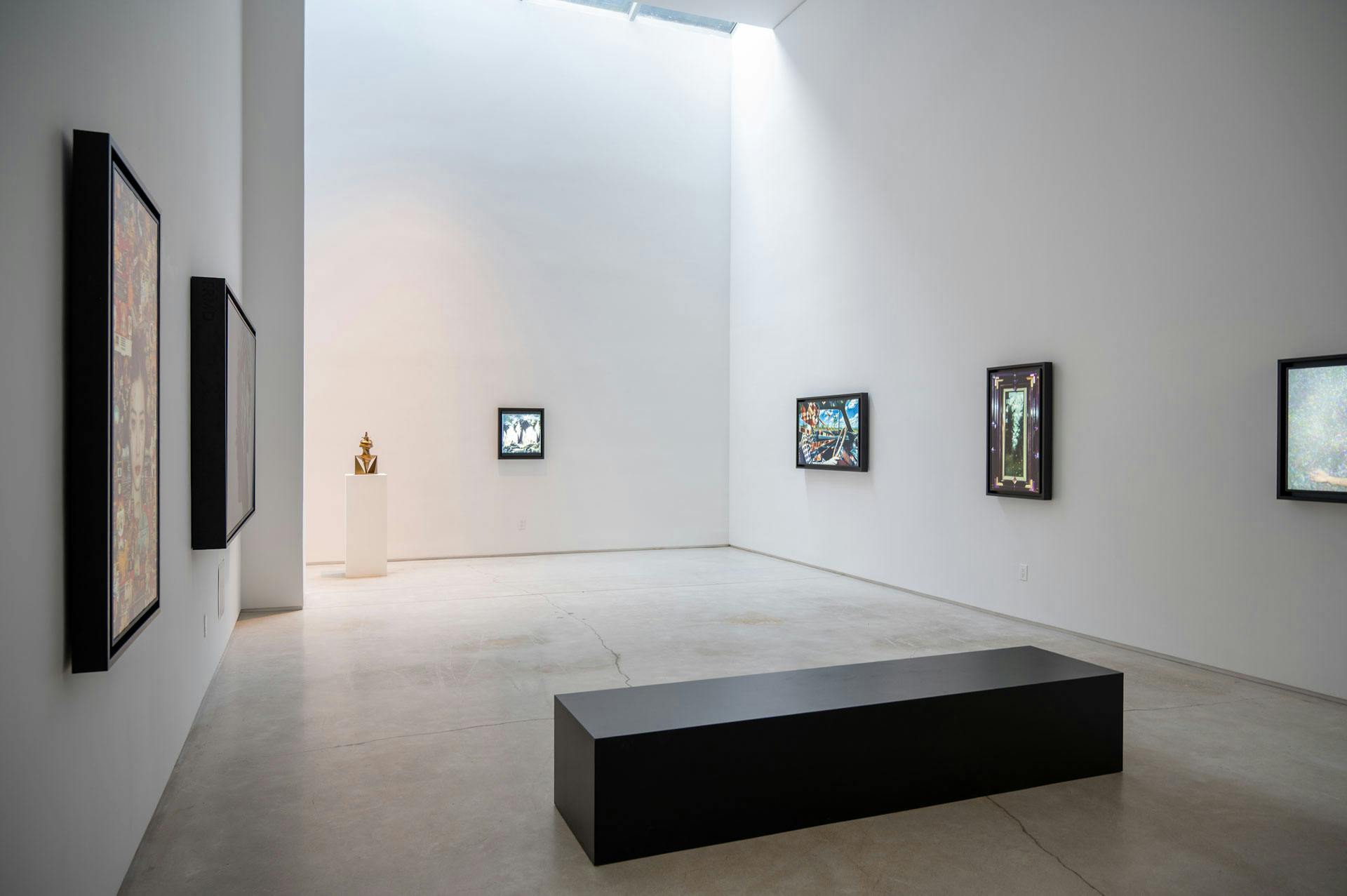
The exhibition invites viewers to reflect on the merging of human and machine intelligence, and to encounter works that don’t just respond to this new world, but actively shape it.
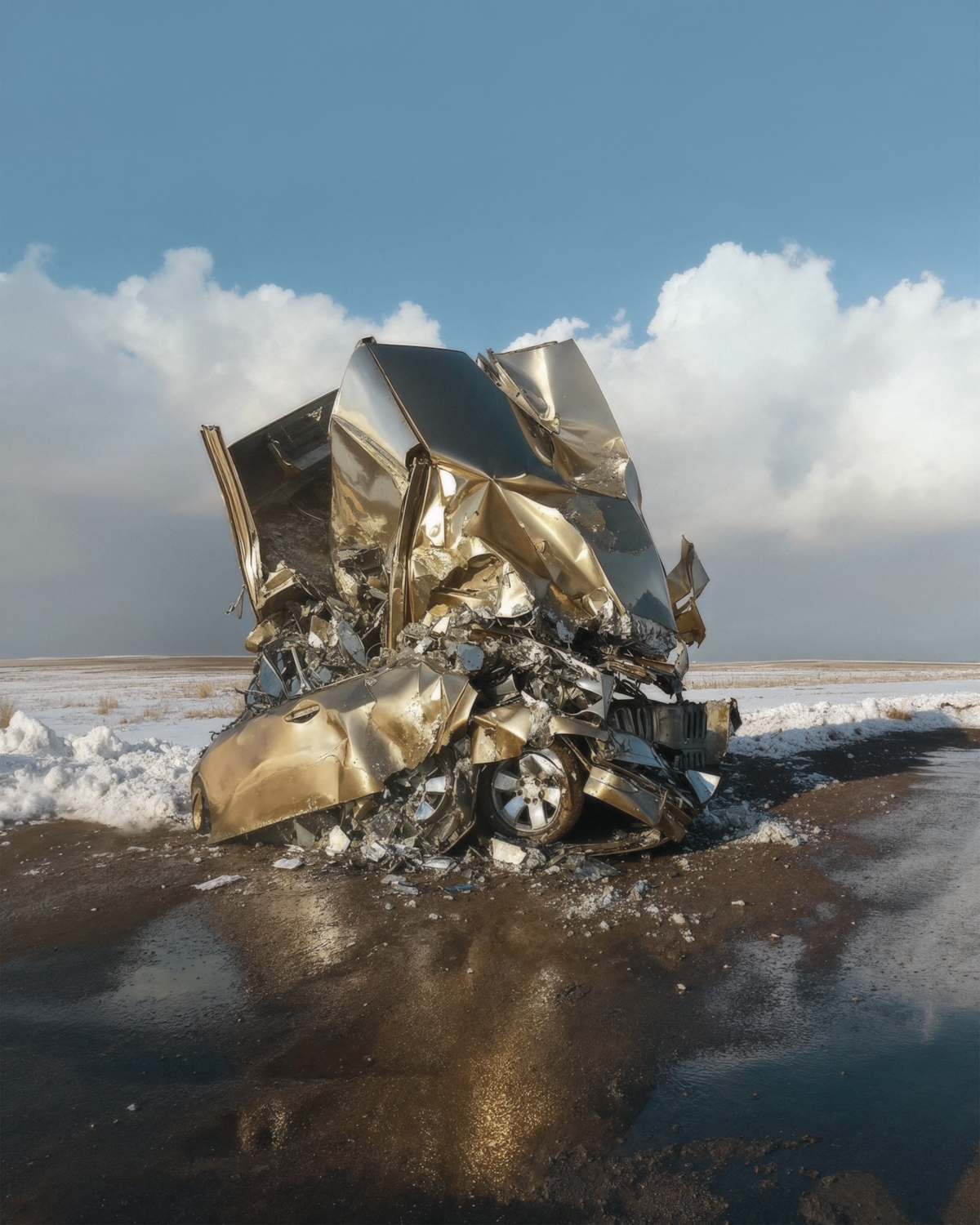
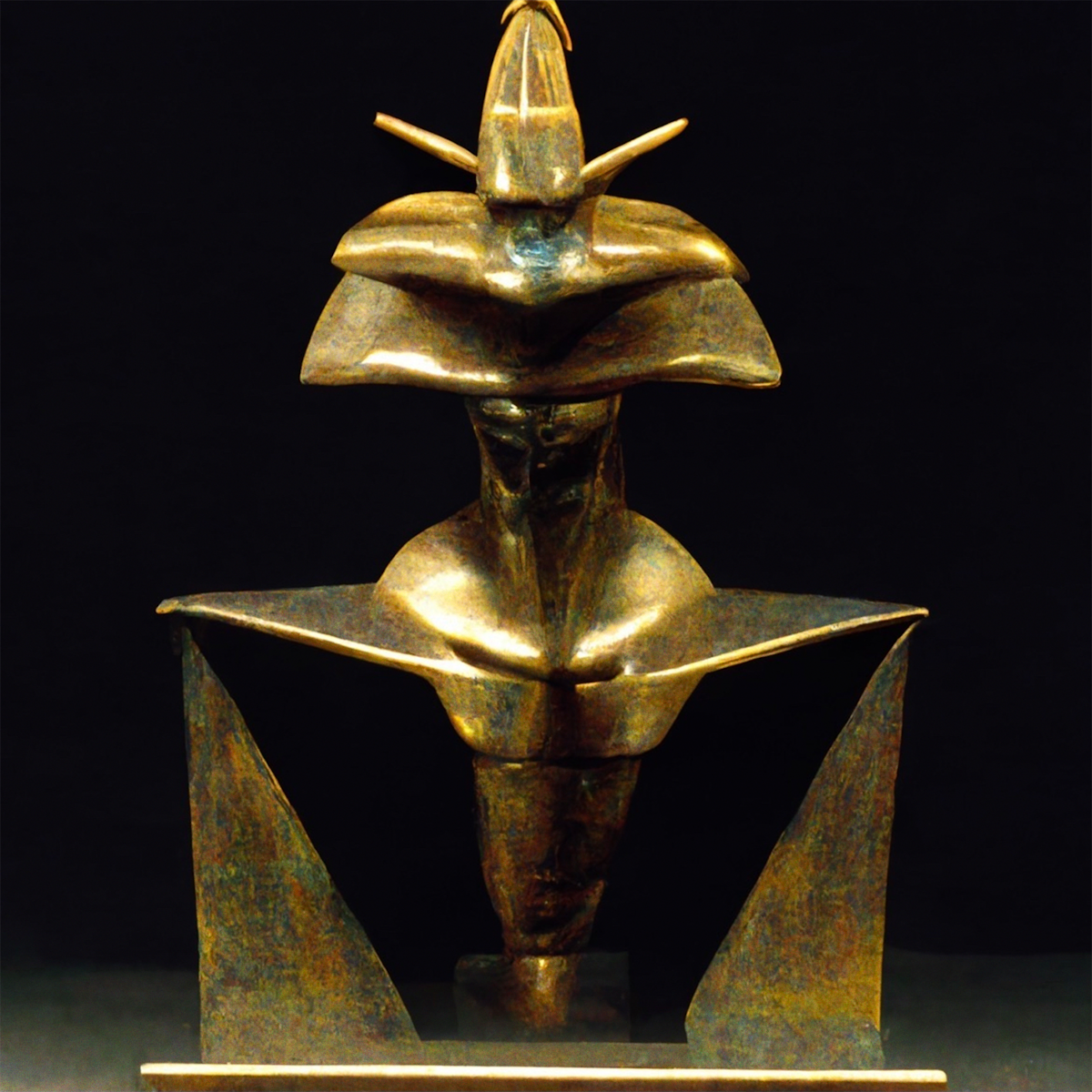
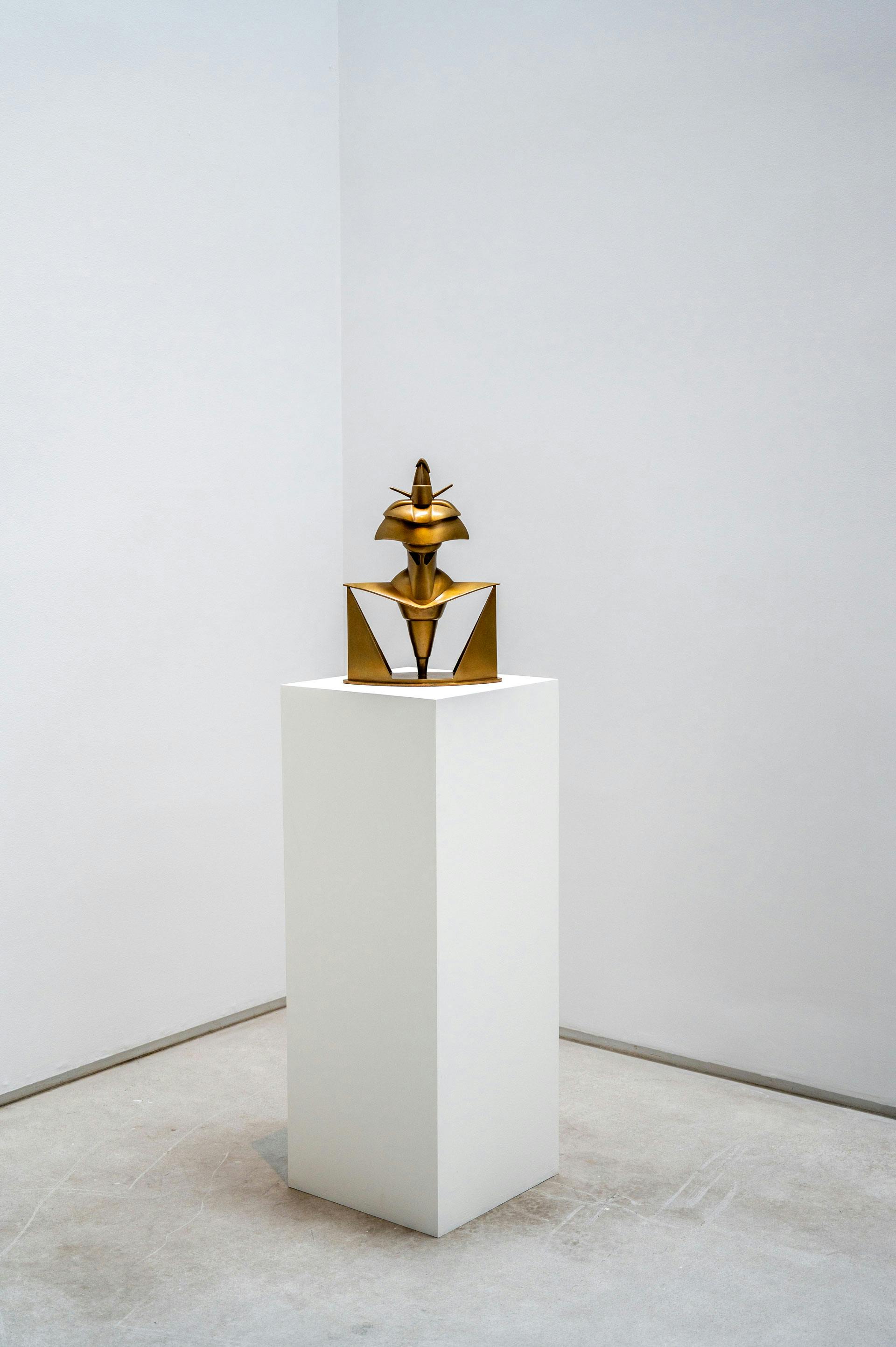
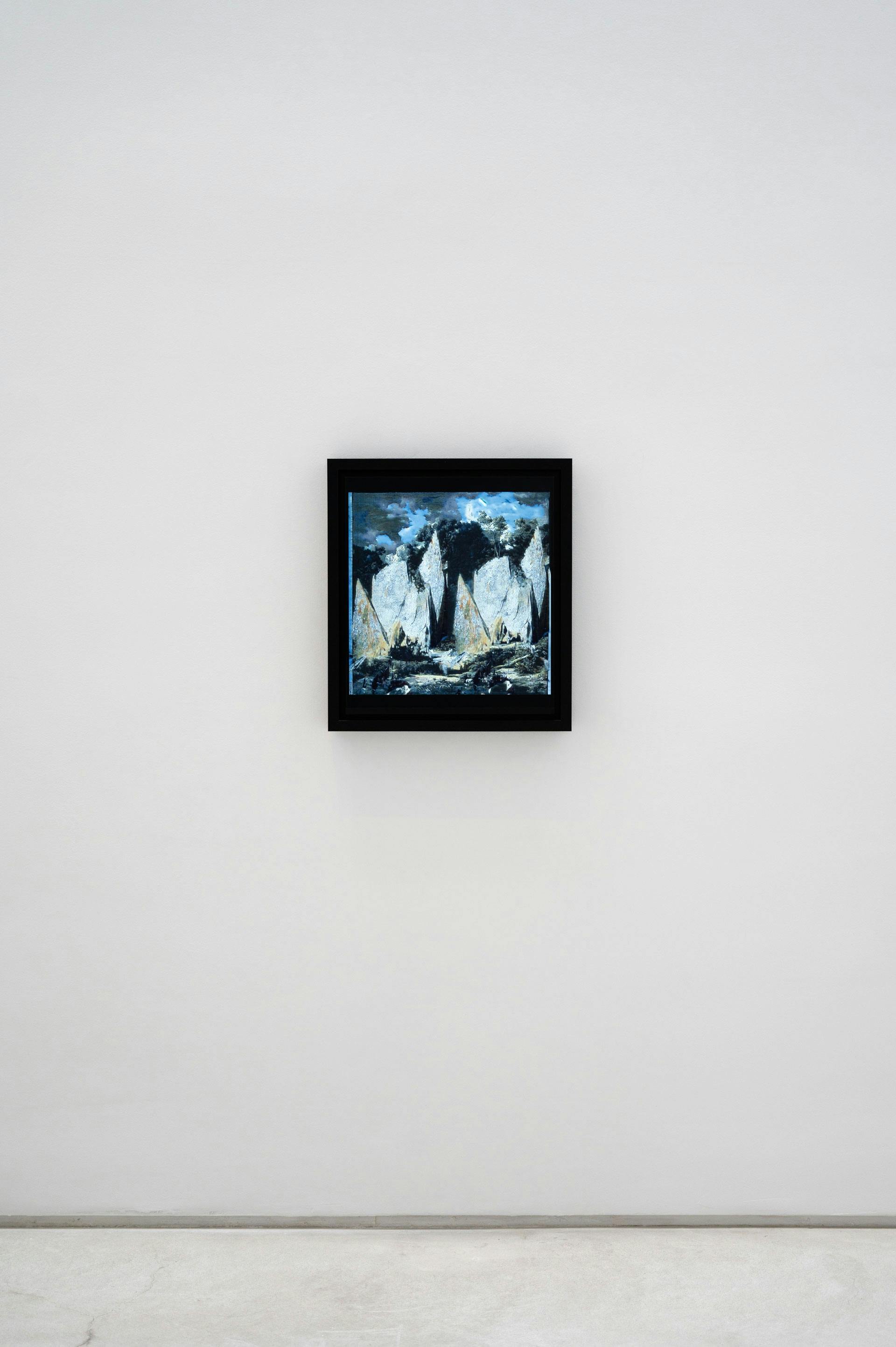
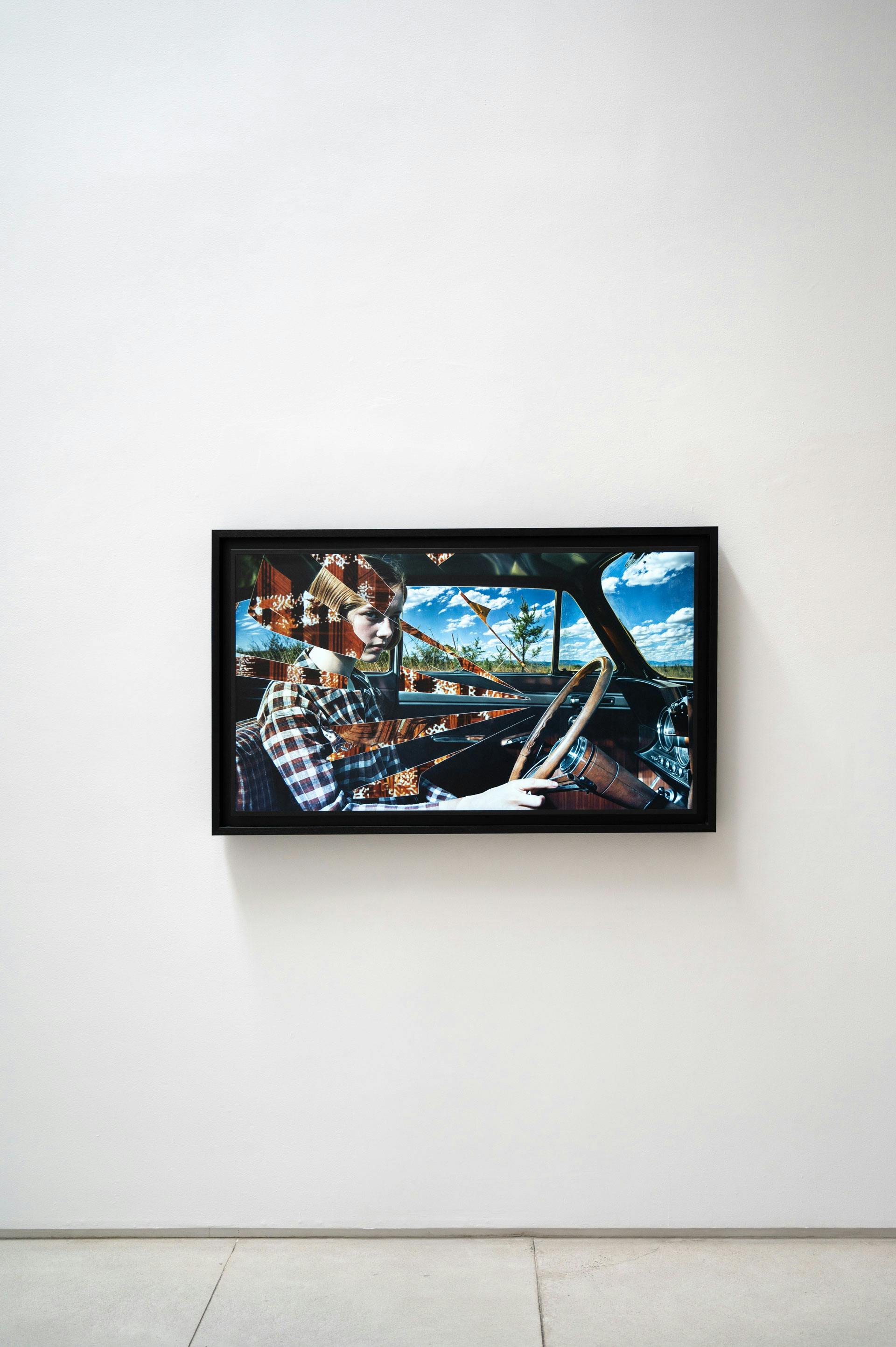
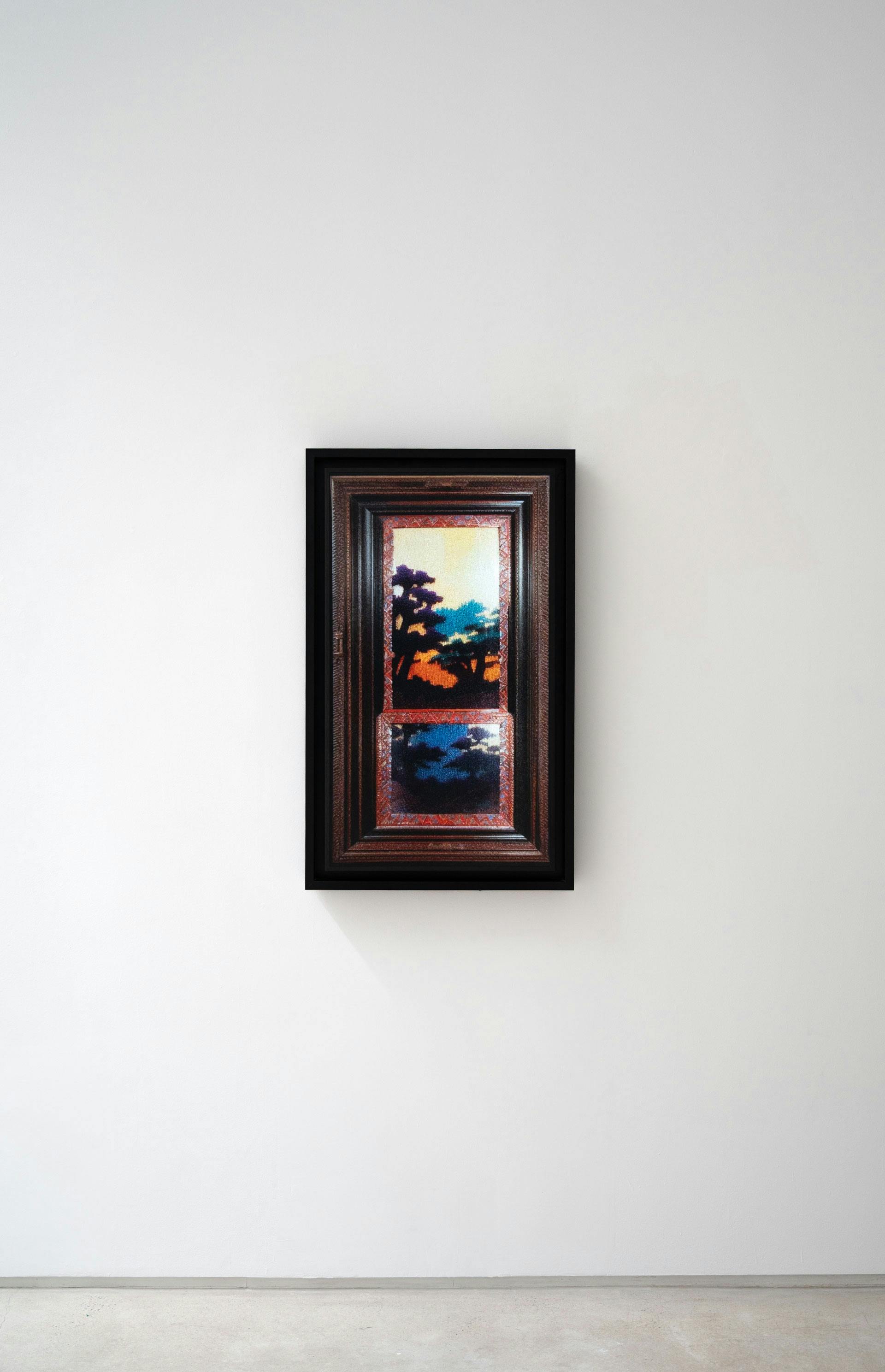
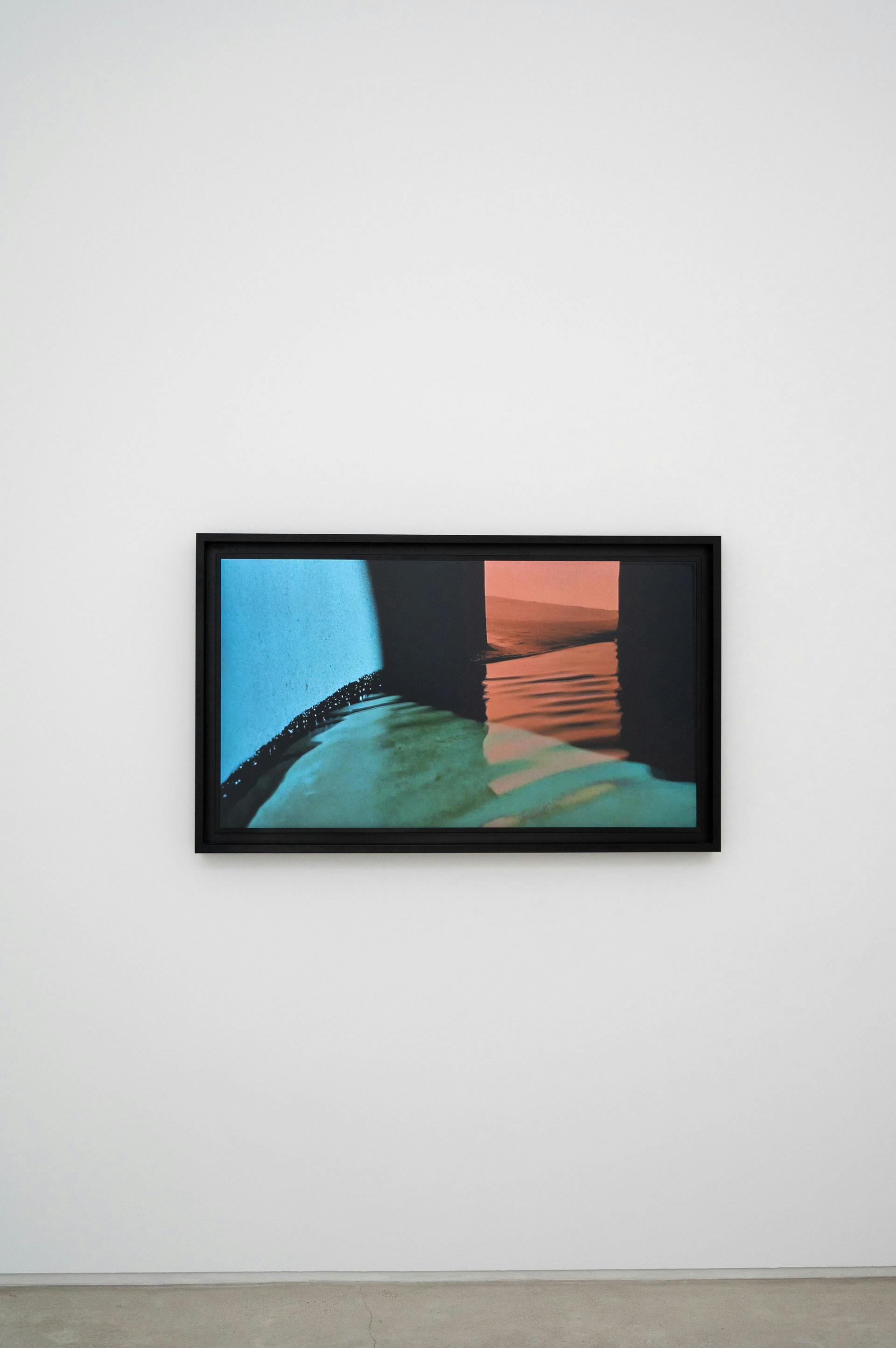
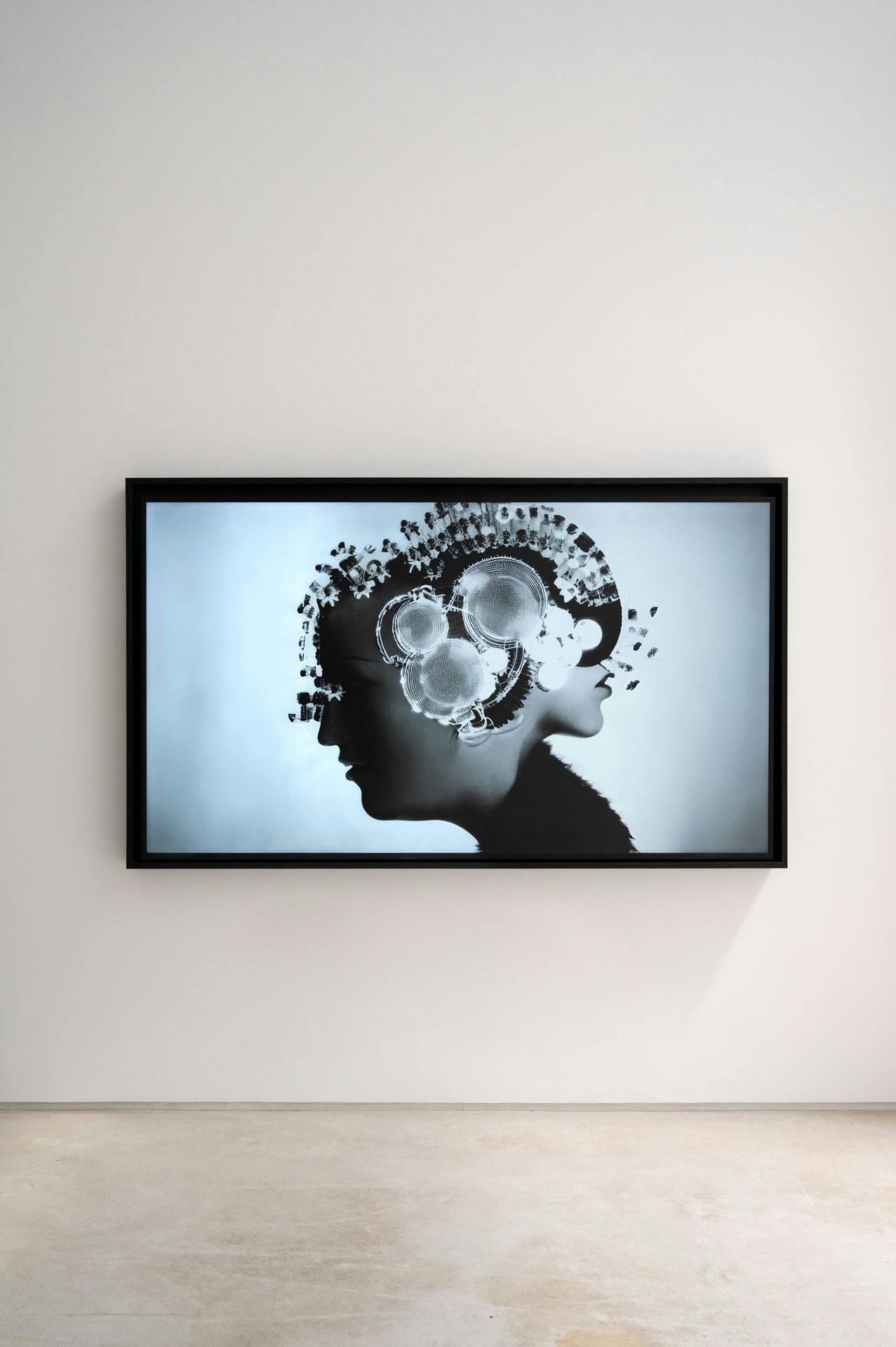
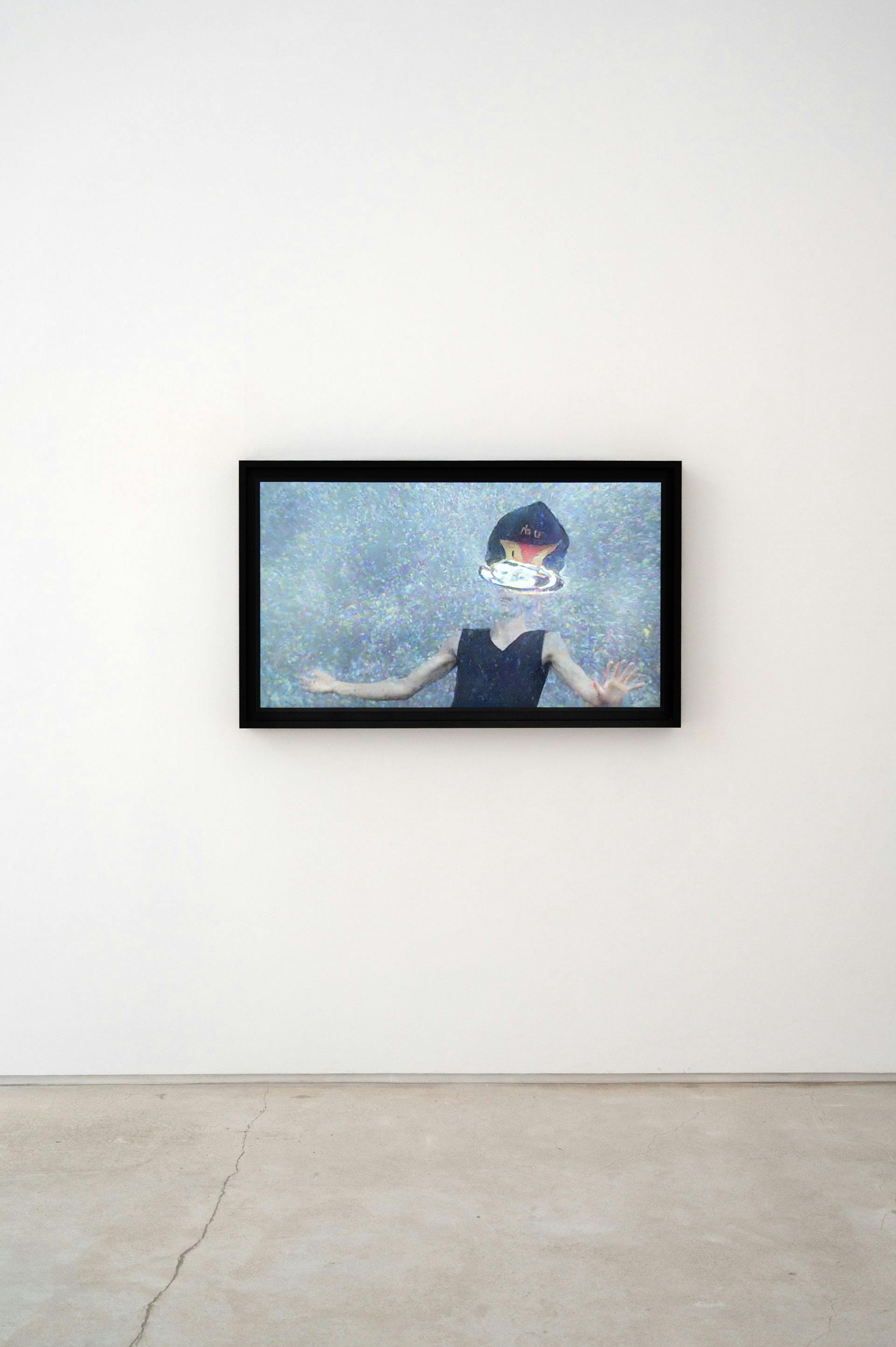
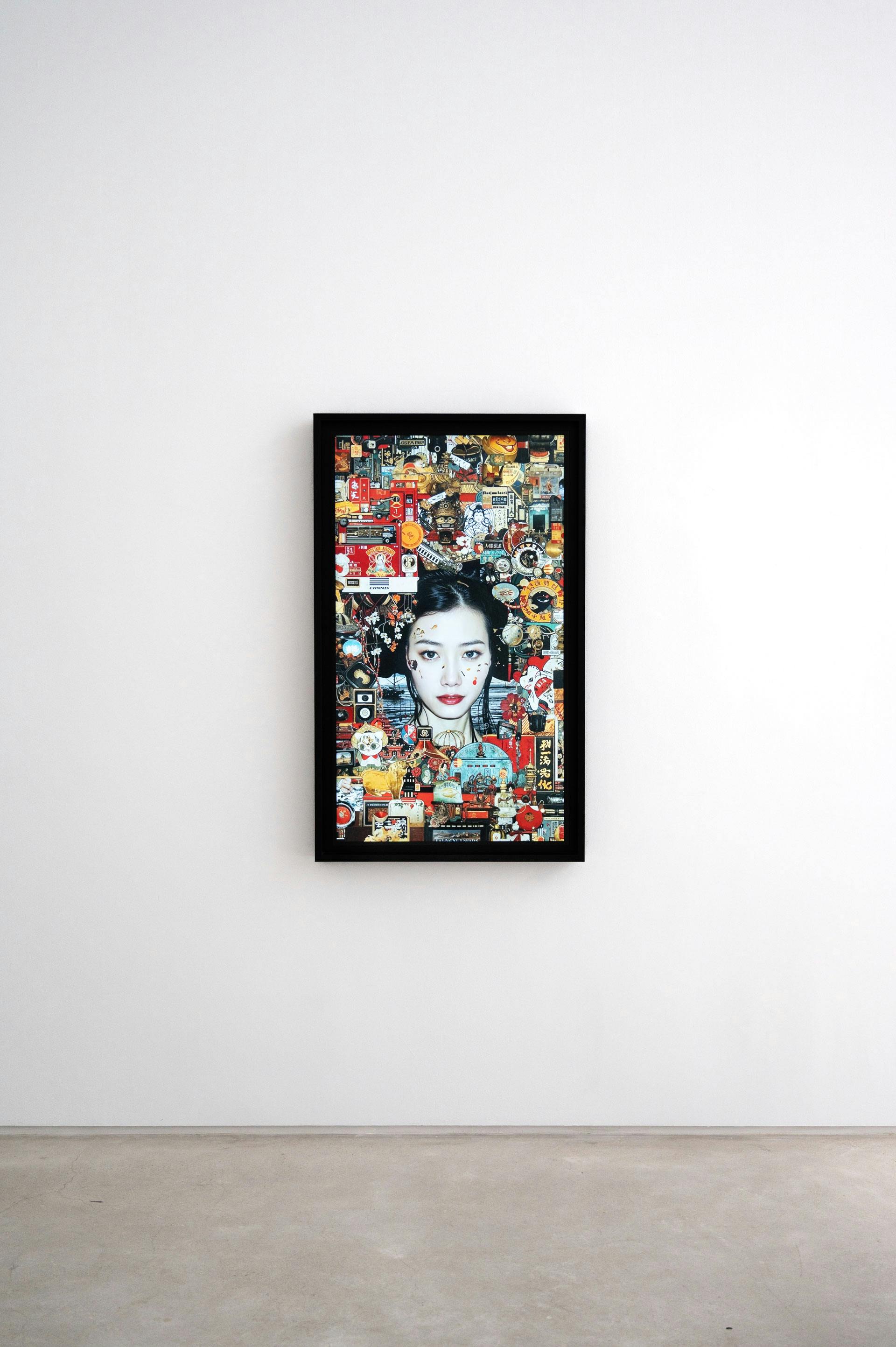
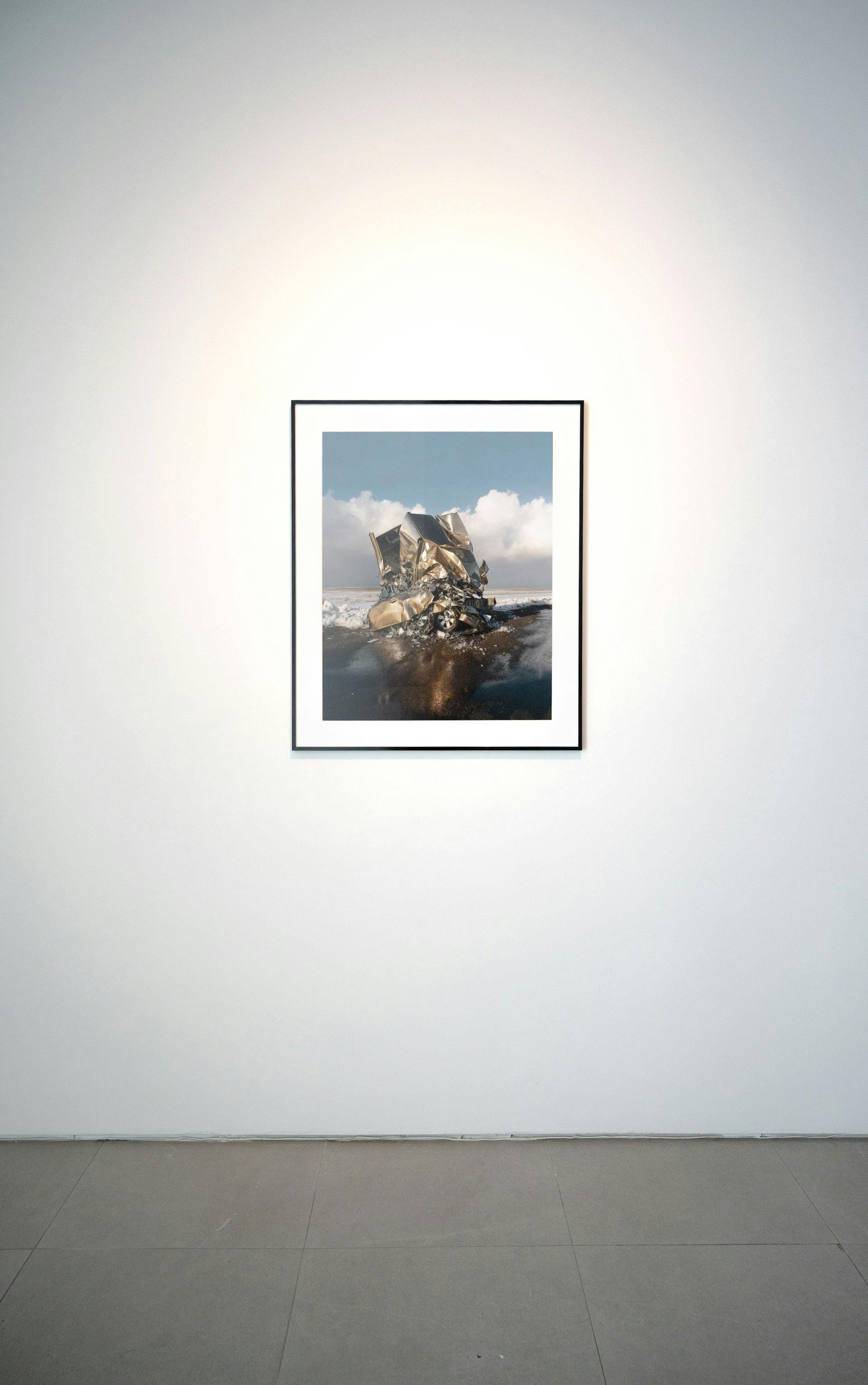
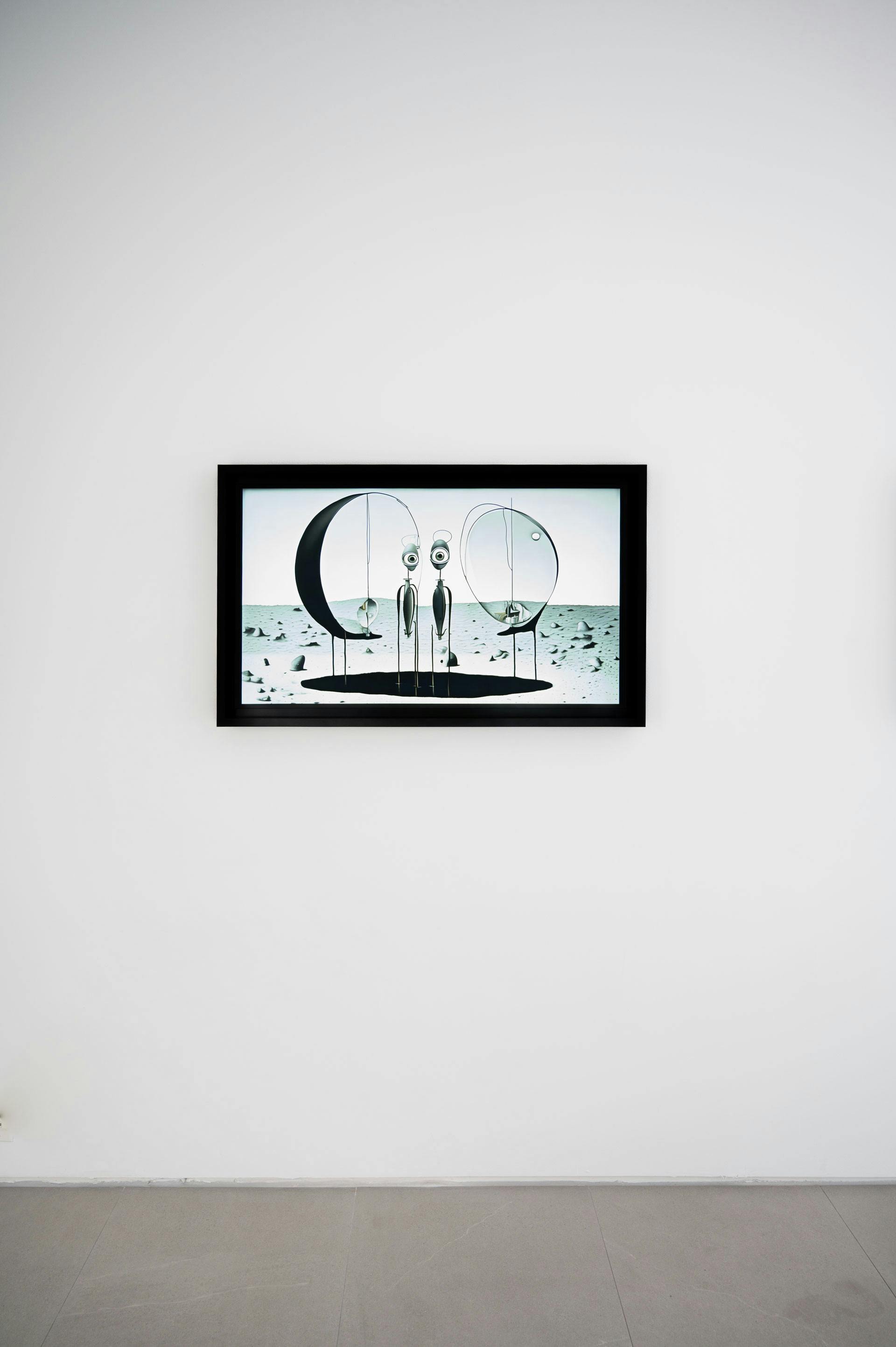
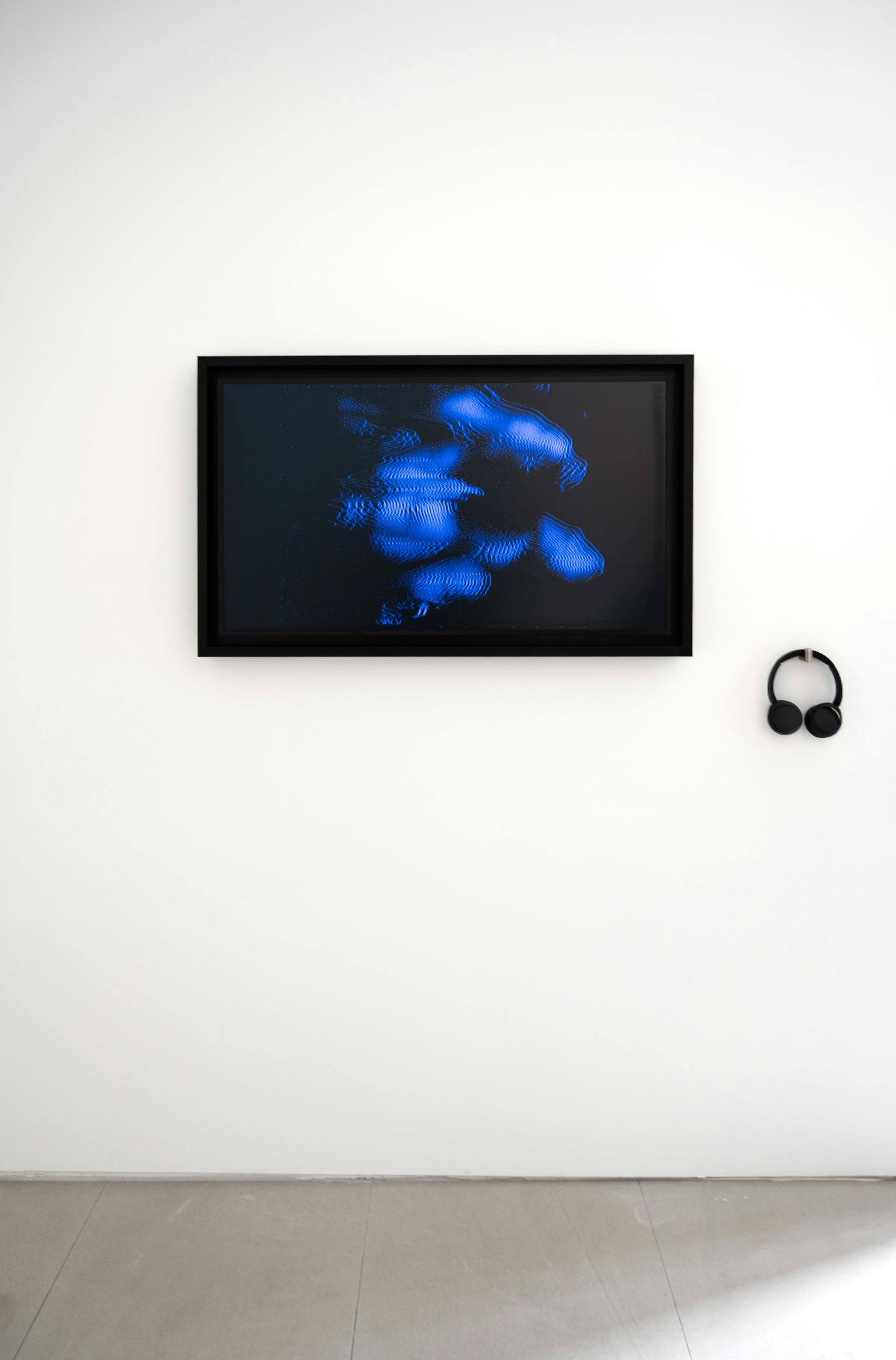
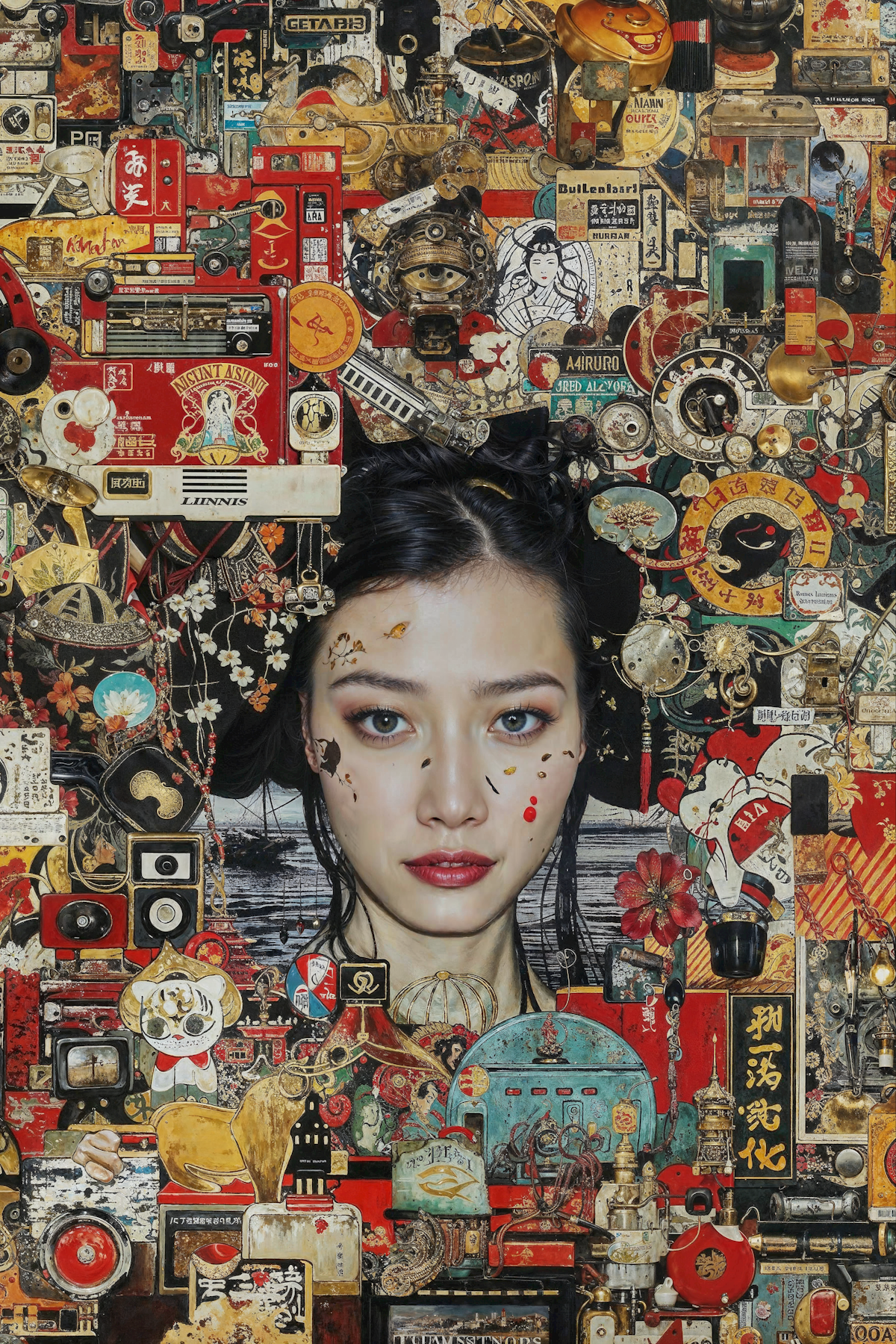
Post-realism is an emerging movement that challenges fixed boundaries, redefines authorship, and reflects the fluid structures of a rapidly evolving world. The artists in this exhibition explore the convergence of human and machine intelligence, pushing the limits of creativity and expanding the scope of what art can be through film, sculpture, and digital media. In this context, post-realism is more than a reaction to technology; it is a new artistic framework that transforms our understanding of both creativity and reality. In times of rapid technological change, art—like code—serves as a universal language, conveying complex ideas beyond words and capturing the elusive essence of this transformative moment, where human and machine intelligence continue to merge.
Sold for
$12,052
(4.040 ETH)

Sold for
$136
(0.330 ETH)

Sold for
$2,524
(1.000 ETH)


Reserve
$2,394
(1.000 ETH)
Reserve
$958
(0.400 ETH)

Reserve
$239
(0.100 ETH)