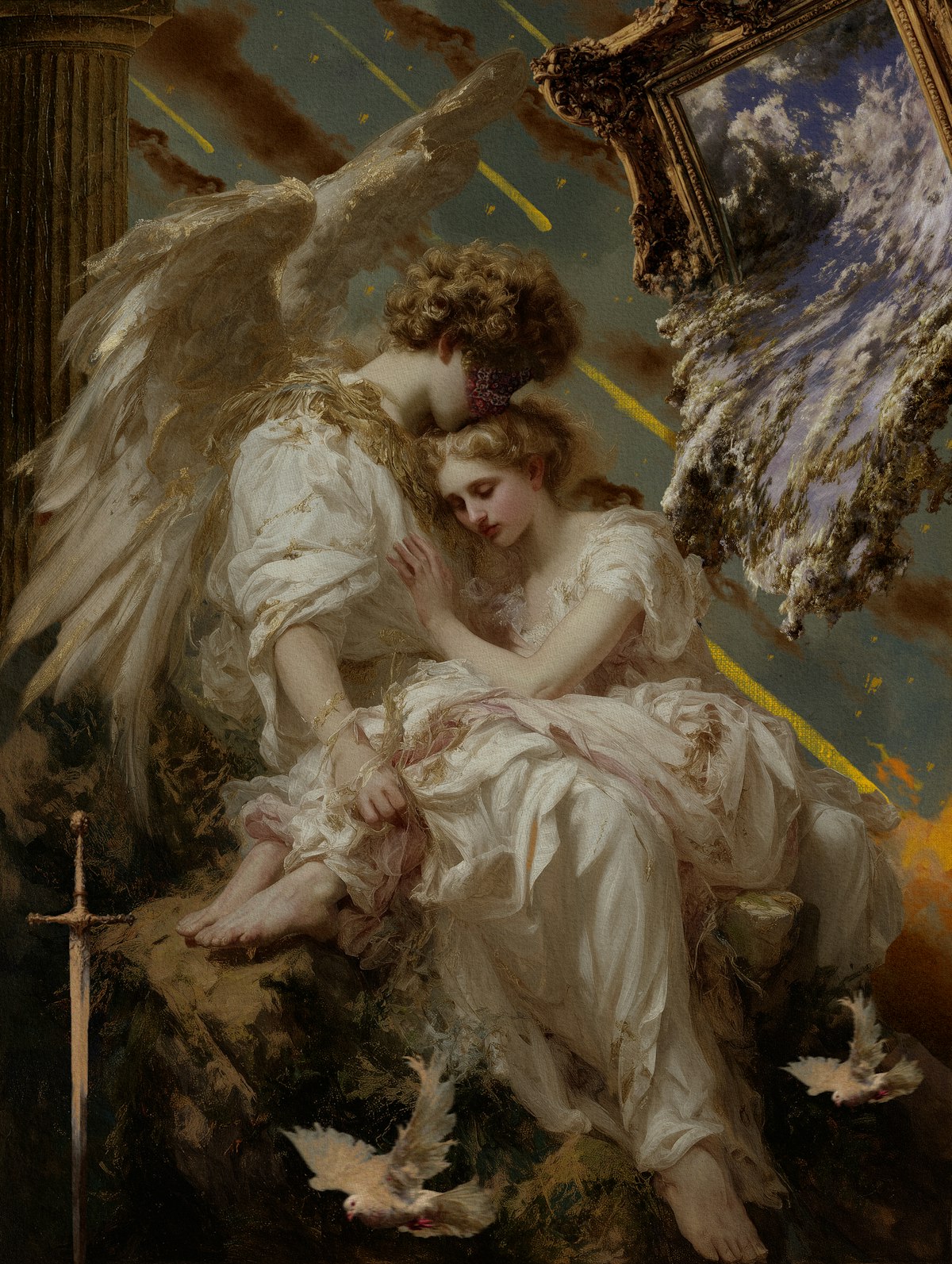
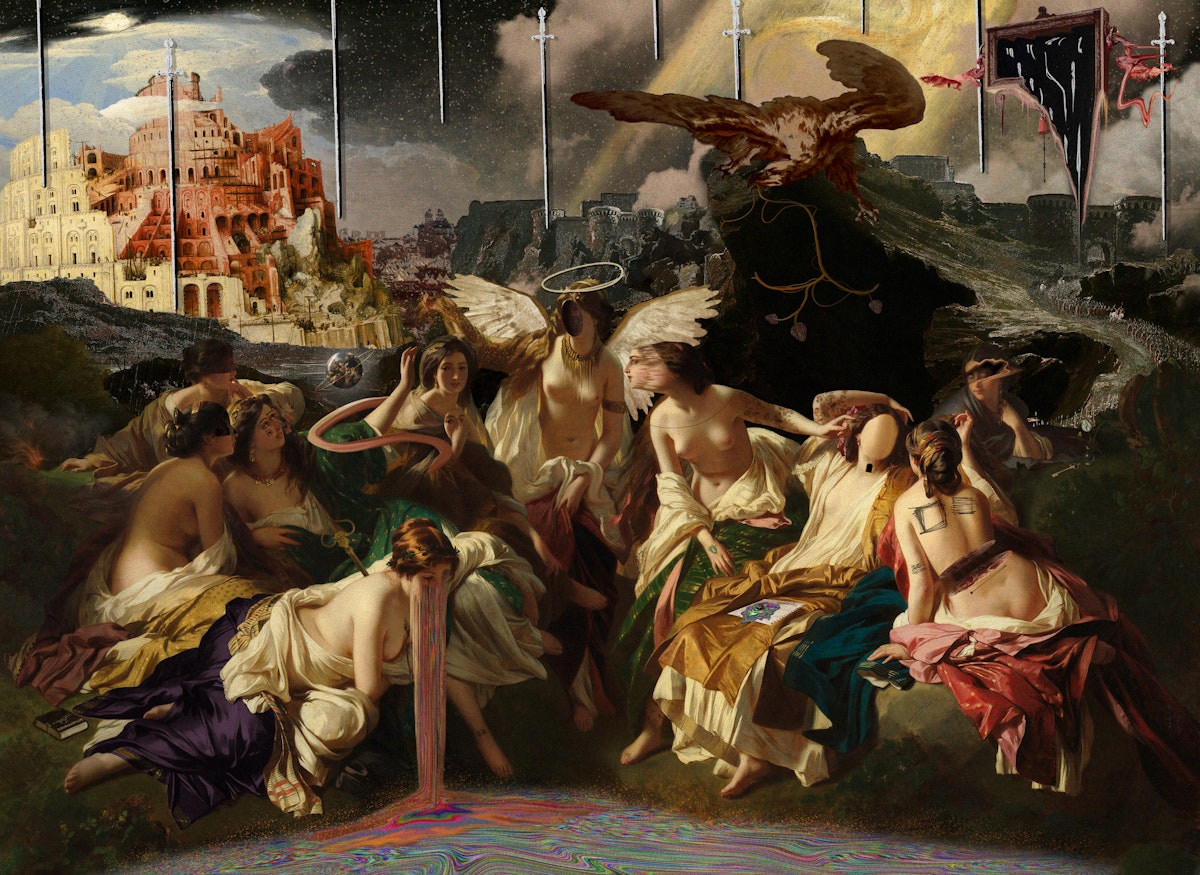
In Greek mythology, Icarus was the son of the master craftsman Daedalus, the architect of the labyrinth of Crete. After Theseus, king of Athens and enemy of Minos escaped from the maze, King Minos suspected that Icarus and Daedalus had revealed the labyrinth's secrets and imprisoned them. Icarus and Daedalus escaped using wings Daedalus constructed from feathers, threads from blankets, clothes, and beeswax. Daedalus warned Icarus to fly neither too low nor too high, lest the sea's dampness clogs his wings or the sun's heat melt them. Icarus ignored Daedalus’ instructions not to fly too close to the sun, causing the beeswax in his wings to melt. Icarus fell from the sky, plunged into the sea, and drowned. The myth gave rise to the idiom, "Fly too close to the sun."
The story of Icarus was repeatedly told by Greek and Roman poets as a reminder of the penalty of being high-spirited. Including the dangers caused by human hubris. It's a moral saying that even the most ambitious plans can go wrong. or Negligence and insufficient experience can also be damaging.
𝙊𝙧𝙞𝙜𝙞𝙣𝙖𝙡 𝙥𝙖𝙞𝙣𝙩𝙞𝙣𝙜: 𝘿𝙖𝙚𝙙𝙖𝙡𝙪𝙨 𝘼𝙩𝙩𝙖𝙘𝙝𝙞𝙣𝙜 𝙄𝙘𝙖𝙧𝙪𝙨' 𝙒𝙞𝙣𝙜𝙨, 𝙘.𝟭𝟳𝟱𝟰 𝙗𝙮 𝙅𝙤𝙨𝙚𝙥𝙝 𝙈𝙖𝙧𝙞𝙚, 𝙩𝙝𝙚 𝙀𝙡𝙙𝙚𝙧 𝙑𝙞𝙚𝙣



 des21digital