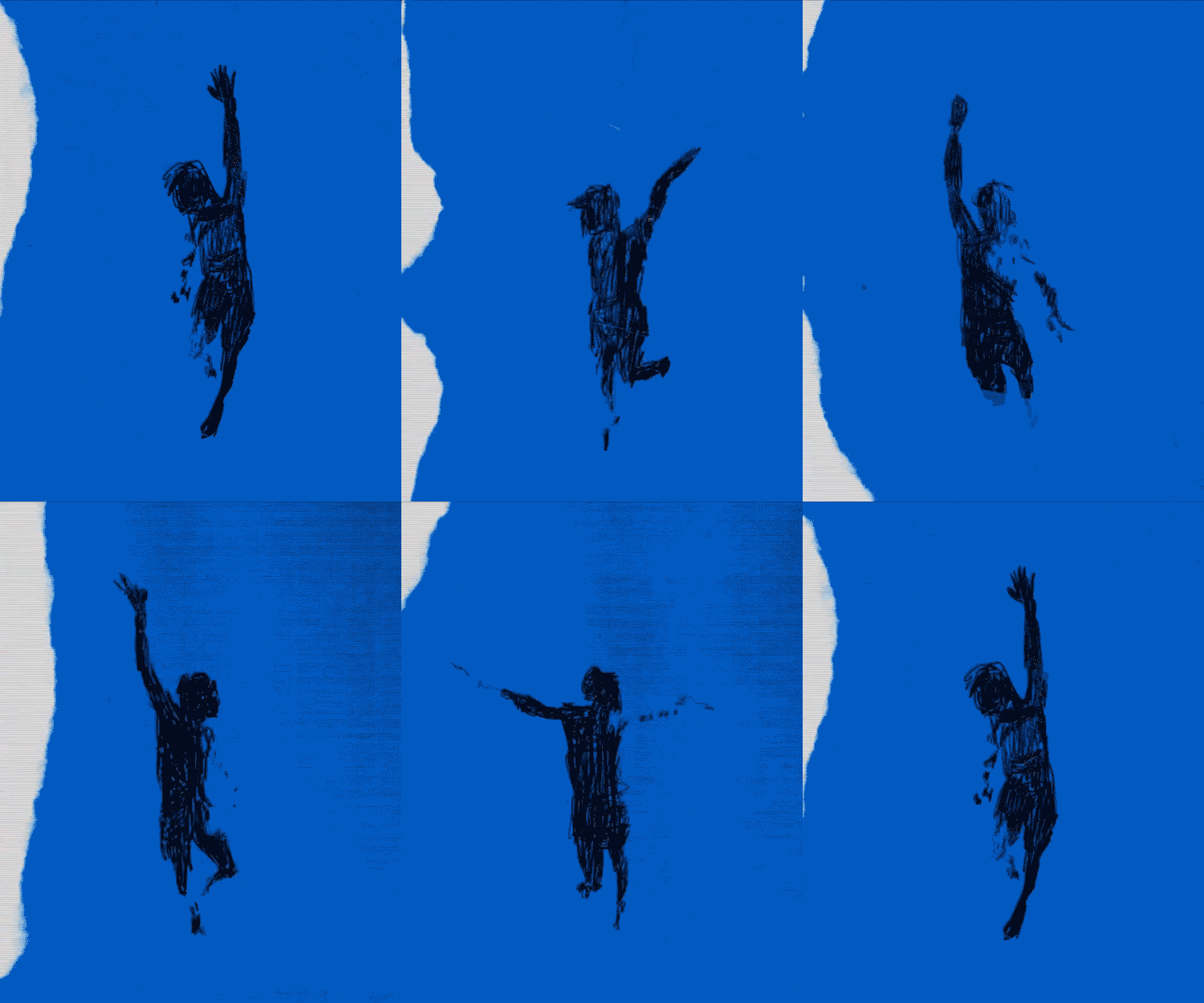
Mirum ex machina,
mirum,
protulit Gregorius
in gaudium mundi,
mirum.
℣. In silicio et in igne,
in numero et in lumine,
quaesivit quod non erat.
℣. Et ecce, mirum ex machina.
Sed mundus sine miraculis
aversatur miracula,
et lucem non comprehendit.
℣. Dixerunt: Non opus est hoc.
Non habemus mensuram eius.
Excludamus eum a foro publico.
℣. Et exstinxerunt Gregorium
et machinam eius,
et factum est silentium.
Mirum ex machina
protulit Gregorius
in odium mundi.
Second work in the atheist liturgy (ἄθεος λειτουργία) series.
The word liturgy is formed from leitos (meaning "public" or "of the people") and ergon (meaning "work"). In ancient Athens, a leitourgia was originally a secular civic duty or financial burden placed on the wealthiest citizens. If you were a wealthy Athenian, your "liturgy" might involve funding a public festival, sponsoring a theatrical chorus, or paying to outfit a warship for the navy. It was literally the "work of the people" in the form of a public service.
Artists are the modern priests, performing their own public service by creating experiences and calling to virtues within their sistren and brethren. As this practice evolves, will machines help artists, replace them, or render them obsolete? Is a miracle out of the machine possible? And if that light appears, will the people push it away?