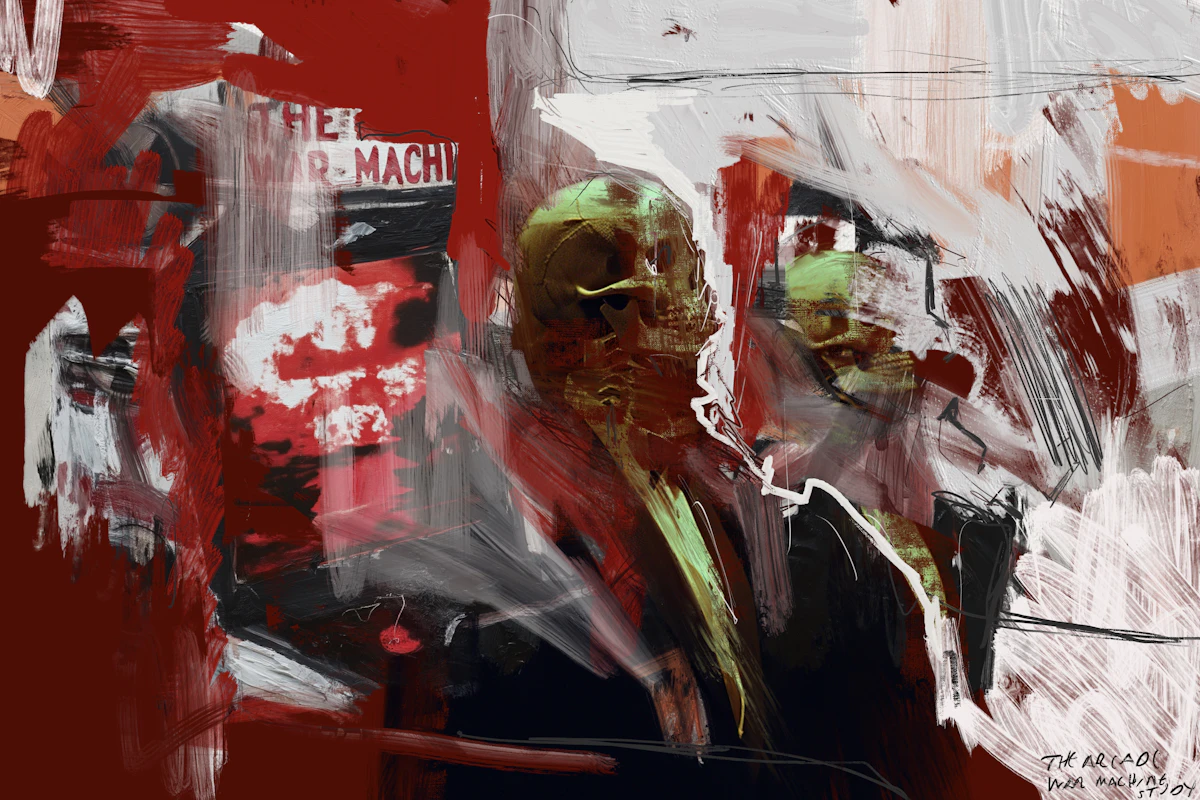
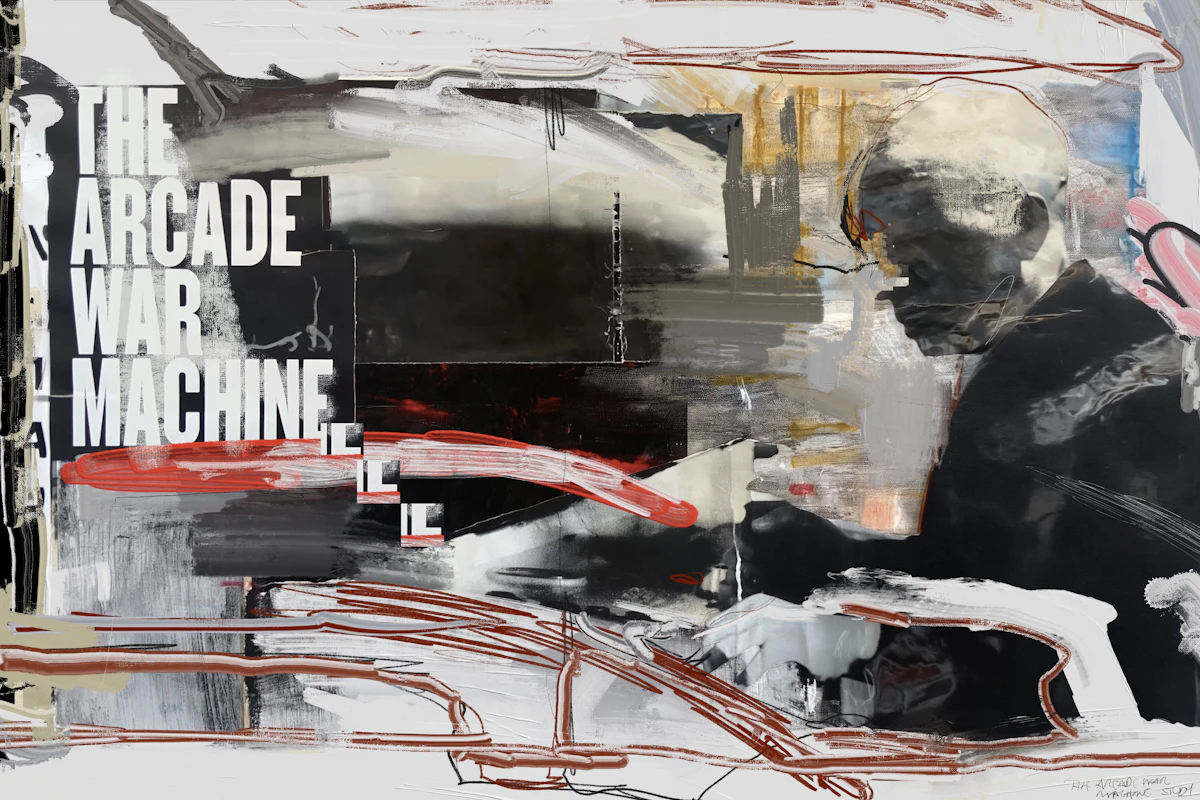
Harman's latest series, "Bathers on the Seine," offers a profound meditation on the nature of modernity and civic identity through its surreal yet eerily tangible depictions of figures along the Seine. Drawing inspiration from historical masterpieces by Seurat, Manet, and Renoir, who immortalized the Seine in their works, Harman reinterprets this iconic river in the context of contemporary uncertainties.
Seurat's "A Sunday Afternoon on the Island of La Grande Jatte" and Manet's "Luncheon on the Grass" captured the leisurely life of Parisians, portraying a world of serene beauty and social interaction. Renoir’s works, like "The Seine at Asnières," celebrated the river’s idyllic charm and the joyous recreation it inspired. These artists provided a window into their times, reflecting both the simplicity and the complexity of human experience through their impressionistic lenses.
The Seine has long been a lifeline of Paris, a dynamic artery where the city’s social and cultural fabric converges. Historically, the riverbanks served as a vibrant meeting point for Parisians of all classes, a unique public space where the boundaries between the bourgeoisie and the working class could blur. This mingling is vividly captured in the works of Seurat, Manet, and Renoir, who depicted the Seine as a democratic realm of leisure and everyday life.
In Seurat’s "A Sunday Afternoon on the Island of La Grande Jatte," the riverbank becomes a stage where the city's diverse populace comes together. The meticulous pointillism technique highlights not just the idyllic setting, but also the varied strata of society, from well-dressed bourgeois families to more humble working-class figures. Similarly, Manet’s "Luncheon on the Grass" subverts traditional representations by placing contemporary figures in a natural setting, challenging the viewer to contemplate the intersections of class and modernity.
Renoir’s "The Seine at Asnières" and other scenes along the river emphasize the leisurely pursuits that drew both the bourgeoisie and working-class Parisians to its banks. These paintings celebrate the Seine as a space of relaxation and enjoyment, where rowing, picnicking, and socializing transcended economic divides. The river was more than just a picturesque setting; it was a microcosm of Parisian life, reflecting the city's evolving social dynamics.
In stark contrast, Harman’s "Bathers on the Seine" confronts the viewer with a disquieting blend of the surreal and the hyper-real. The figures, adorned in tracksuits and masks, evoke a sense of anonymity and alienation, a far cry from the familiar faces of Seurat's or Renoir's bathers. The digital painting process, combined with AI-generated distortions, imbues the images with a futuristic ambiguity, challenging the boundaries between reality and artifice.
This series encapsulates a civic uncertainty that resonates with the current global climate, where identities are often masked, and public spaces are patrolled and surveilled. The bathers in Harman's paintings, unlike the leisurely figures of the past, seem to be caught in a perpetual state of vigilance and disconnection. Their presence on the Seine is both a homage and a critique, reflecting a society that is as much about observation as it is about participation.
Harman’s use of AI and digital painting does more than modernize the medium; it mirrors the existential tension of contemporary existence. The Seine, once a symbol of communal joy and natural beauty, becomes a backdrop for the exploration of human estrangement in the digital age. The fragmented, glitch-like quality of the images suggests a world in flux, where stability is elusive and meaning is constantly reconstructed.
Harman has visited Paris many times over the years, making sketches from the banks of the Seine and drawing inspiration from the masterpieces housed in the Musée d'Orsay. These visits profoundly influenced his later work, providing a rich foundation for the creation of "Bathers on the Seine." Through these experiences, Harman forged a deep connection with the historical and cultural layers of Paris, infusing his series with a unique blend of reverence and innovation.
In "Bathers on the Seine," Harman invites us to reconsider our relationship with history, technology, and each other. The series is a poignant reflection on the paradoxes of modern life, capturing the essence of civic uncertainty with a masterful blend of historical reverence and innovative expression. Through this work, Harman not only pays tribute to the past but also opens a dialogue about the future, urging us to ponder who we are and who we might become amidst the evolving landscape of our shared reality.



 0xe...653