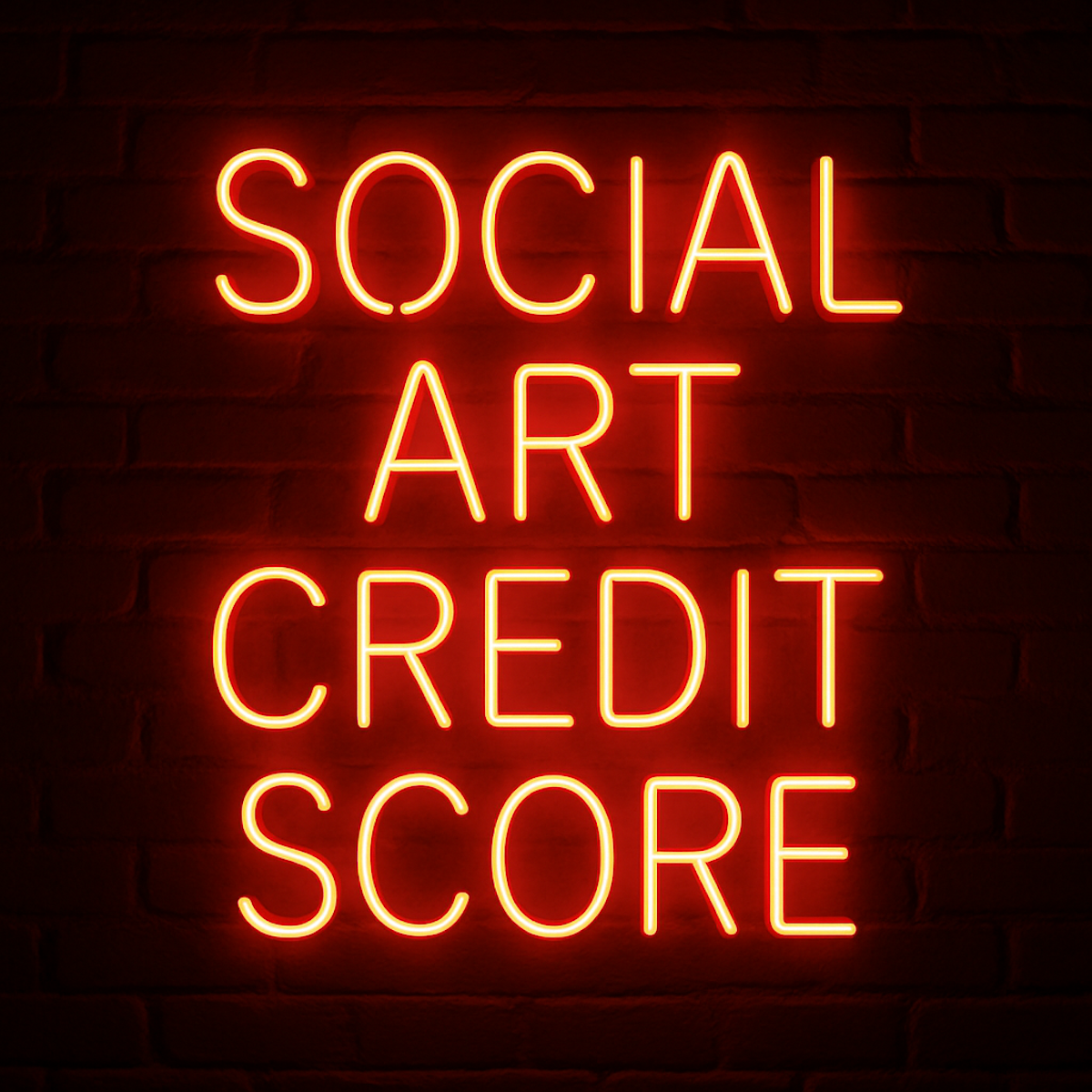
In general, people on the left are good at observing systemic flaws and bad at self-reflection. On the right, they tend to be better at self-reflection and worse at identifying systemic error. We all know the arts are completely dominated by the dogma of the left—hence why it has departed from the earthly realm almost entirely, completely unaware of its own shadow.
Most fields curate a kind of fashion-version of reality through narrative. Bell bottoms are in / out, or narrow is the thing, or whatever. But after the internet, all of our tribes—whatever you're into—now gather beyond national borders. This is what the arts are struggling to understand. It’s forcing a narrative of being oppressed while acting as the oppressor through forced social curation.
Most curators in the arts are women, many of whom have signed on to DEI principles. Those who haven’t—or hold nuance—know better than to speak openly. It’s not like there was ever a deep dive into the roots of these beliefs, especially the contradictory ones, nor is truth necessarily in the top ten reasons to support them. Some may well be enjoying the safety of a masculine, traditional family life—high-earning husband, stable marriage—while playing the fourth-wave feminism card inside the arts, with no internal (public) conflict about it.
Masculinity has largely been branded as toxic over the past two decades, leaving a wake of destruction: to children, marriages, men’s mental health as a suicide crisis, and their natural inclinations—not toward indulgence, but toward protection and direction. Toward being a grounded force, a provider of safety and structure. Like bell bottoms, this “toxic” label is a selectively curated narrative—true in parts, but far from the whole. This is what the contemporary idea of inclusion is missing, and refuses to look at.
Much of my work looks at our current state through a historical lens now. It usually takes a decade or so before the time we're in catches up to what I'm expressing. The lens of history will likely see this period as an obvious repression of the masculine essence—and wonder at the cruelty we tried to impose on half the world, forgetting that, flawed as we all are, we need each other.
With a small shift in awareness, some can already now remember:
We're here to make each other better.
To walk each other home.
To lift each other into our highest selves—not to amplify the volume of the worst within us.
That’s the spiritual principle:
Not war. Not suppression.
But evolution, and an expansion of consciousness.
Work: Curation: History Now
1/1 NFT
Series”: Things You Think and Believe but Can’t Say Inside the Arts"