The nearest thing I know in literature to the reflective use of one of these psychedelics is the so-called Bead Game in Hermann Hesse’s Magister Ludi (Das Glasperlenspiel). Hesse writes of a distant future in which an order of scholar-mystics have discovered an ideographic language which can relate all the branches of science and art, philosophy and religion. The game consists in playing with the relationships between configurations in these various fields in the same way that the musician plays with harmonic and contrapuntal relationships. From such elements as the design of a Chinese house, a Scarlatti sonata, a topological formula, and a verse from the Upanishads, the players will elucidate a common theme and develop its application in numerous directions. No two games are the same, for not only do the elements differ, but also there is no thought of attempting to force a static and uniform order upon the world. The universal language facilitates the perception of relationships but does not fix them, and is founded upon a “musical” conception of the world in which order is as dynamic and changing as the patterns of sound in a fugue.
by Alan Watts.
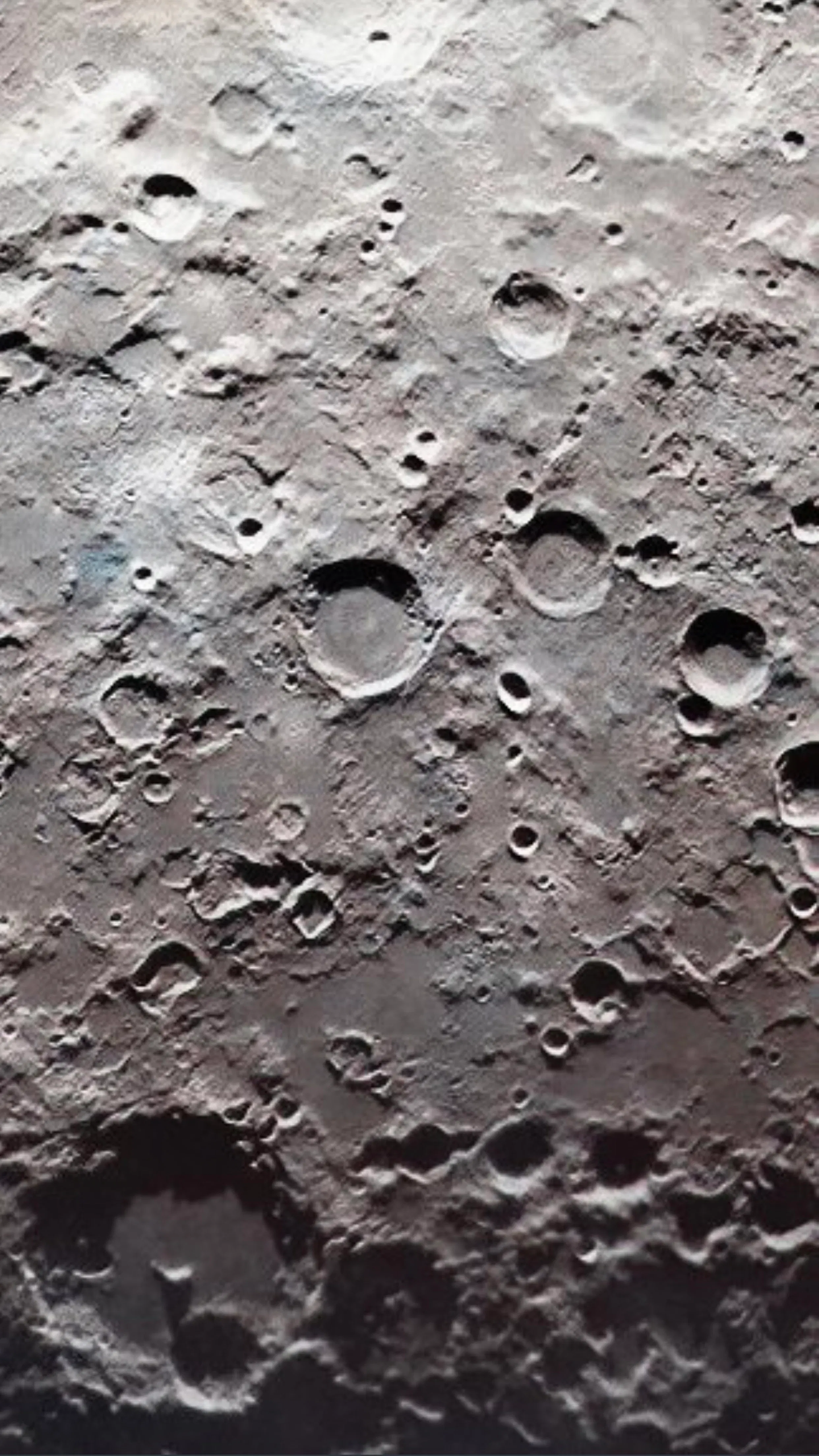
Artwork was created in virtual reality software Gravity Sketch, stylised in DeepStyle, upscaled in Upscale.io, edited in Photoshop, video edited/exported in Premiere. MP4. 1920 x 1080 pix.
#virtualart #vr #abstract #psychedelic #dmt #visionary #infinite #deeplearning