...but not eternal.
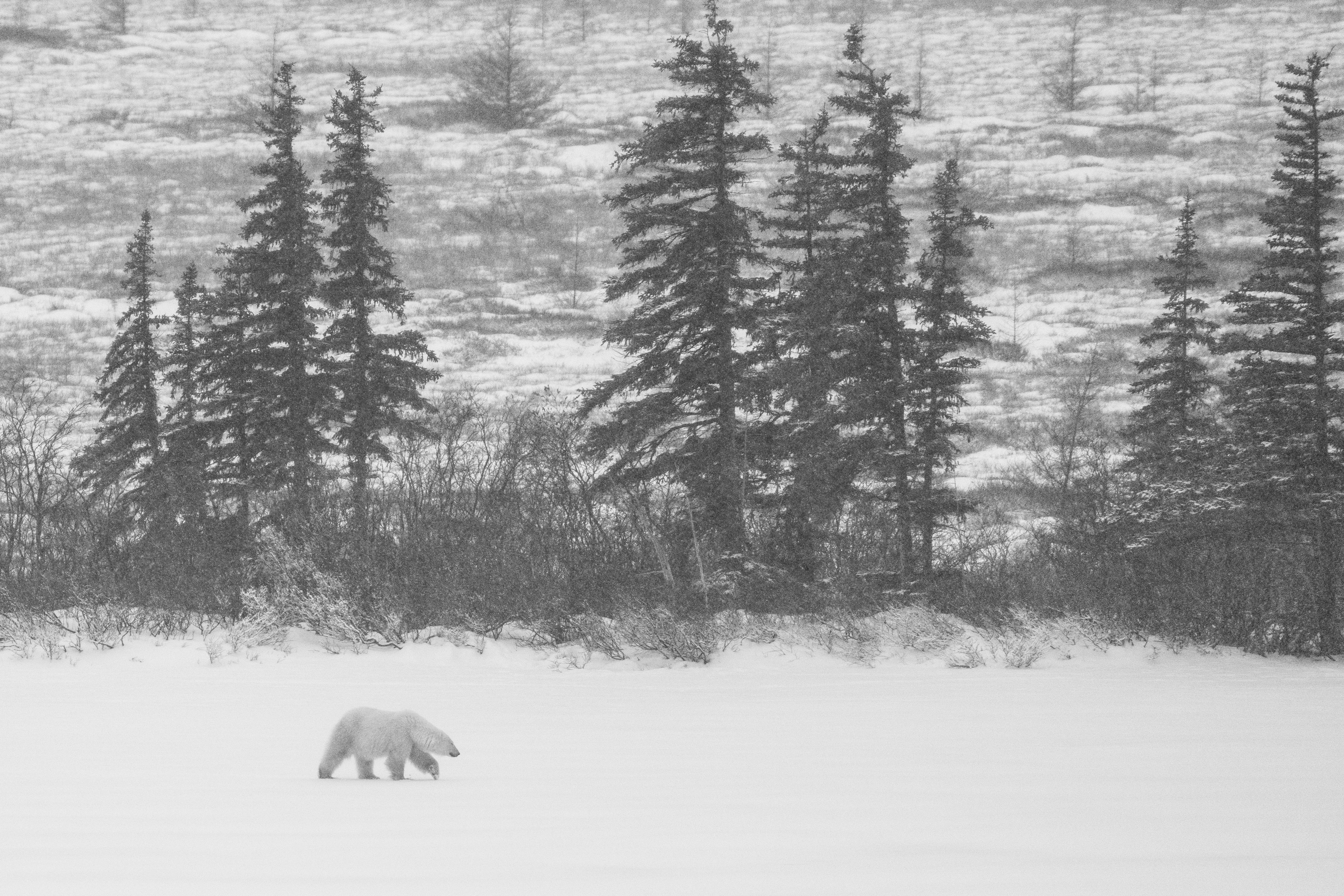
As I was taking this picture on a cold morning, I couldn't help but wonder how many more generations would get to see these majestic animals.
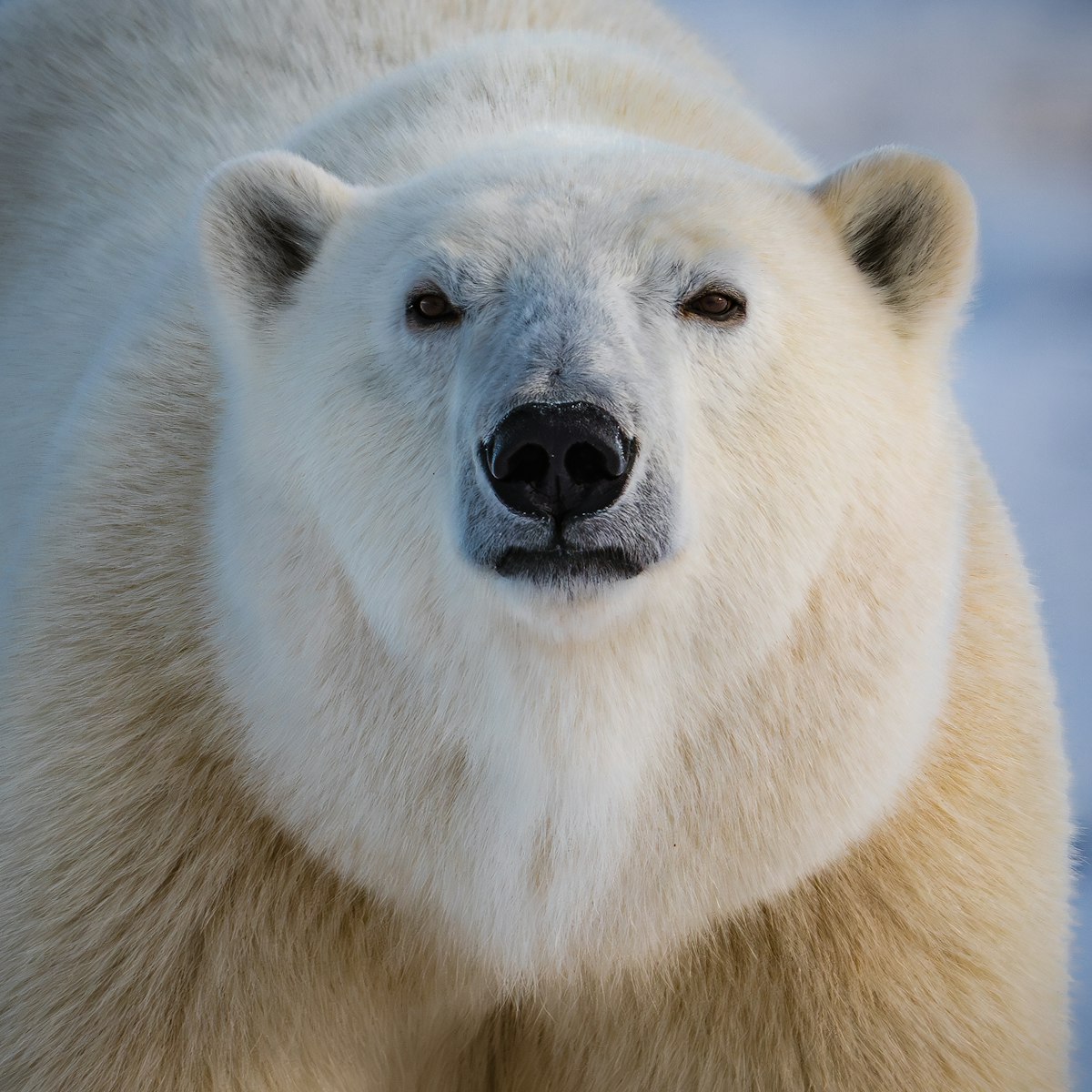
The polar bear, the iconic symbol of the Arctic and the world’s largest land carnivore, faces unprecedented threats.
Classified as Vulnerable on the IUCN Red List since 2005, this status was reaffirmed in recent assessments. Among the 20 recognized subpopulations, roughly 5 are considered likely stable, 3 are declining, 2 are increasing, and about 10 are data deficient due to the challenges of studying these remote and expensive regions.
The global population is estimated at around 26,000 individuals.
Some subpopulations, such as those in the Chukchi Sea, parts of the Barents Sea, or the Kane Basin, appear relatively stable or even temporarily benefit from shifts in multi-year ice conditions. In contrast, areas like the Western Hudson Bay (where this image was captured) have lost roughly 50% of their bears since the 1980s, and the Southern Beaufort Sea has shown continued declines.
The primary threat remains the loss of sea ice driven by climate change. Polar bears rely on sea ice to hunt their main prey (seals), reproduce, and rest. With increasingly long ice-free periods (sometimes exceeding 180 days in certain regions), females lose body condition, pregnancy rates drop, and cub survival declines. Projections indicate that even moderate emissions reductions could lead to local extinctions by 2100; without strong action, only a few subpopulations in the so-called “Last Ice Area” (regions with the most persistent ice) may survive in the long term.