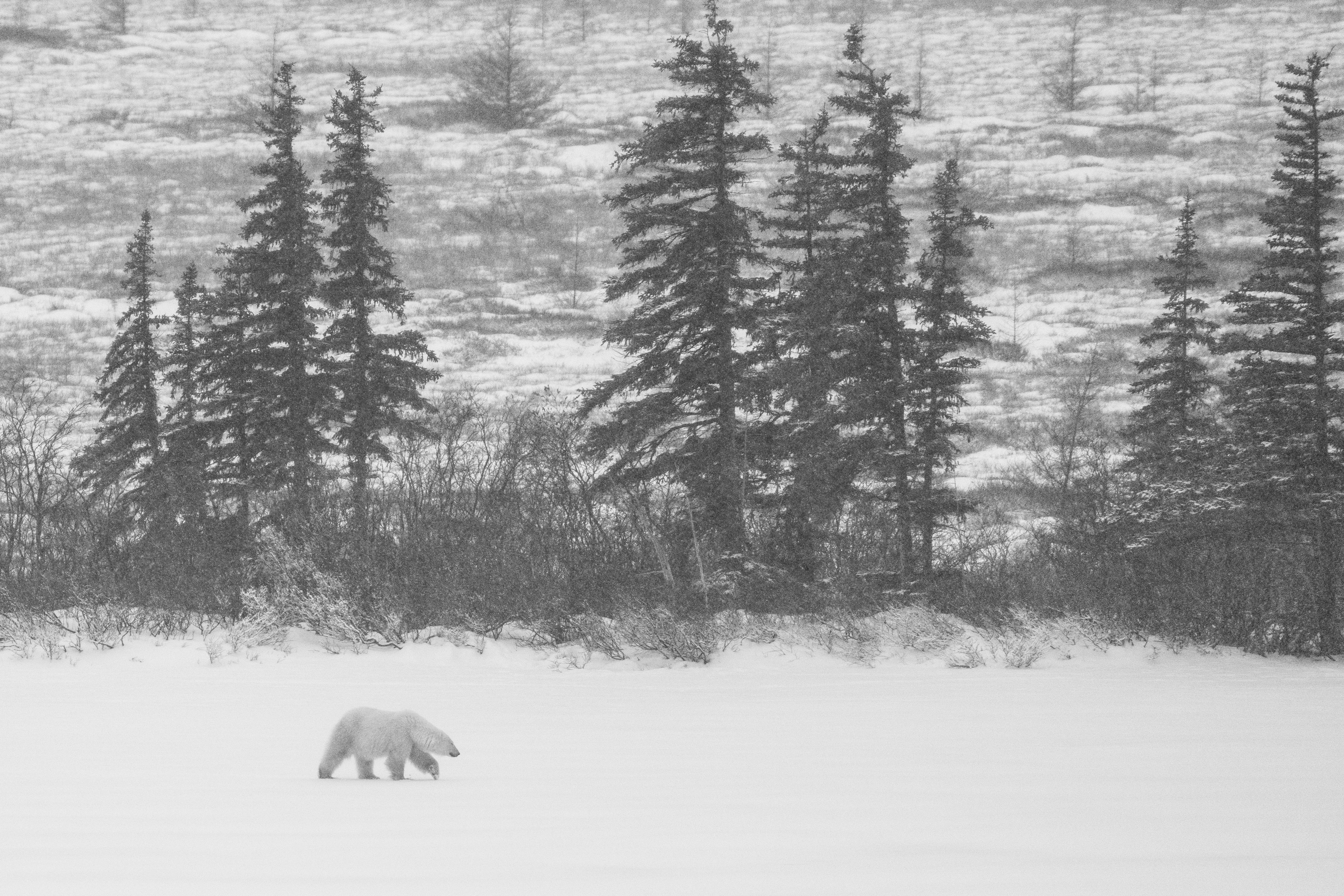
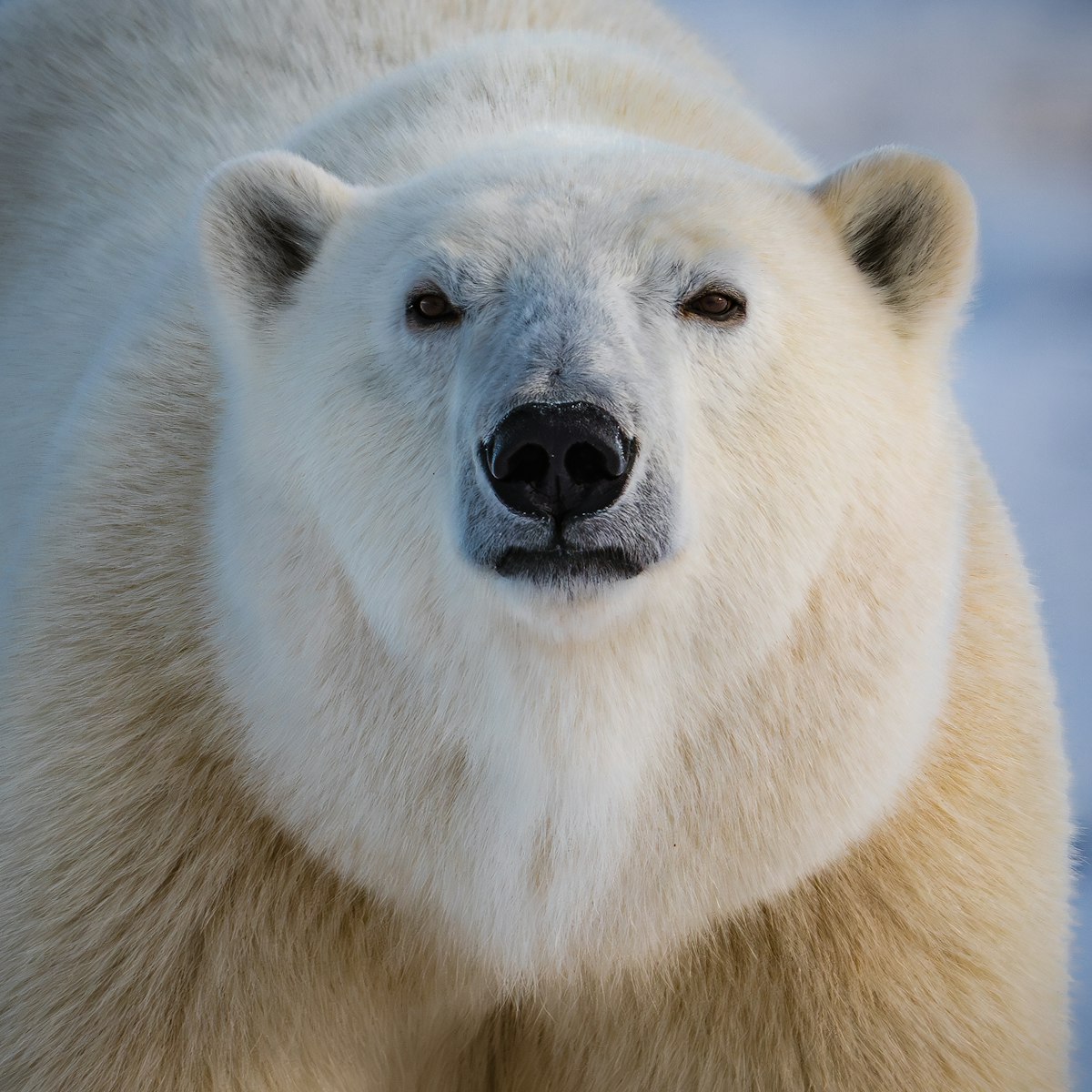
A polar bear keeps watch along the shore, while the sea remains a stubbornly liquid mass.
Polar bears in the Western Hudson Bay in Manitoba are facing more hunger because of changes in sea ice due to climate change.
Polar bears are expert hunters in the ocean, relying on ringed seals and bearded seals for their main food. These seals are packed with fat and blubber, giving bears tons of energy from each successful hunt. They stalk or wait at breathing holes on solid sea ice to catch them.
In Hudson Bay, sea ice usually melts completely each summer, so polar bears have to come ashore for a few months to fast naturally. During this time, they use the fat they built up during the spring hunting season to survive.
But with warmer temperatures, the sea ice breaks up earlier in spring and refreezes later in fall. This means the ice-free time on land has been getting longer by a few days to weeks each decade. Because of this, bears spend more time on land away from their primary food source, which makes their fasting periods longer.
When they’re on land, polar bears might eat berries, plants, bird eggs, geese, caribou, or even scavenge whale carcasses and human trash. But these foods don’t have as much fat and energy as seals. Studies, like those using collar cameras and bioenergetic modeling, show that most bears lose a lot of weight during these long land periods.
This long energy shortage is especially tough on females and cubs, who need more energy. Pregnant females need lots of fat to survive in the den and care for their cubs.
The Western Hudson Bay subpopulation has gone down a lot. This drop is because they’re having fewer babies, fewer cubs are surviving, and the adult bears are smaller. It’s often called “survival of the fattest” where only bears with lots of fat when they go into fasting have a better chance of making it through.